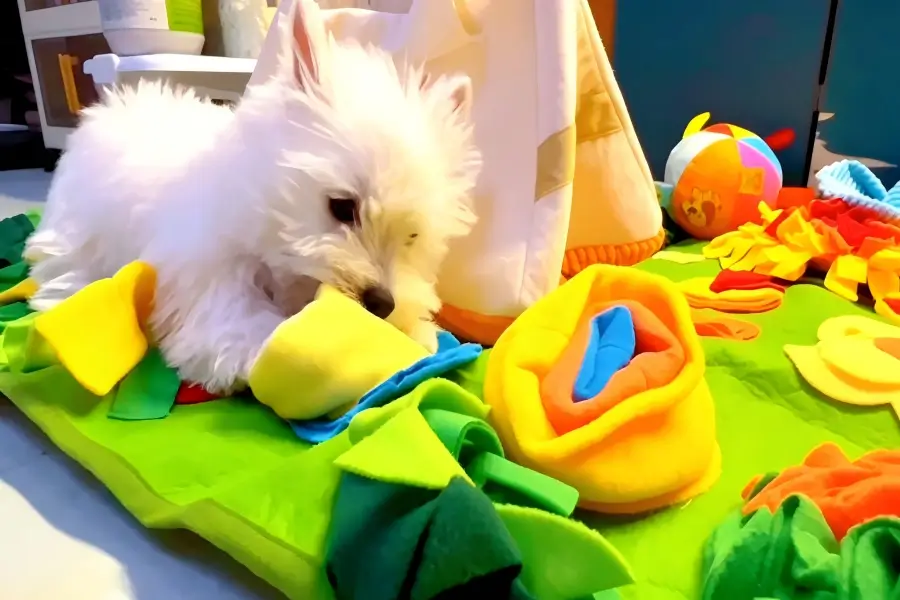
Interactive puzzle toys are one of the best ways to provide mental stimulation, prevent boredom, and turn everyday treats into engaging activities. The right puzzle toy can keep your dog happily engaged during quiet indoor hours while encouraging natural problem-solving behaviors.
Choosing the right puzzle toy comes down to matching the design with your dog’s experience level, snout shape, and personality. Pick a toy that is too complex, and your pup may feel frustrated; pick one that is too simple, and they will clear it in seconds. Here is a practical buying guide to help you choose the ideal puzzle toy for your dog.
Start with the Right Difficulty Level
Many dog puzzle toys are described using difficulty levels, although the exact numbering system can vary between brands. Matching the challenge to your dog’s puzzle-solving experience is the most important factor for success:
- Level 1 (Beginner): Features simple one-step actions like sliding a single cover or nudging a cup with a nose or paw. Ideal for puppies, senior dogs, or dogs using interactive toys for the first time.
- Level 2 (Intermediate): Requires sequential actions, such as sliding one piece to unlock another or pressing a central button to release treats into outer compartments. Great for dogs who have mastered basic beginner toys.
- Level 3 (Advanced): Involves multi-step challenges and rotational covers that require extra patience and steady paw work. Best for energetic dogs and experienced puzzle solvers.
Quick Selection Guide by Dog Profile
To narrow down the best style for your dog’s specific traits, review the decision guide below:
| Dog Profile | Recommended Level | Key Feature to Look For |
|---|---|---|
| First-time user / Shy pup | Level 1 (Beginner) | Wide sliders, shallow treat compartments, easy movement |
| High-energy / Fast learner | Level 2 or Level 3 | Sequential locks, multi-layer rotators, tight channels |
| Heavy chewer / Determined pawer | Level 1 or Level 2 | Thick BPA-free plastic, non-skid base, smooth edges |
| Flat-faced (Pug, Frenchie) | Level 1 (Shallow) | Shallow compartments accessible by tongue or short snout |
Consider Material and Durability
How your dog plays should guide the material you select. Puzzle toys generally fall into three material categories:
- BPA-Free Hard Plastic: Rigid and easy to wipe clean, plastic puzzles work well for food-motivated dogs who slide pieces with their nose or paws. Look for sturdy construction with non-slip rubber feet.
- Food-Grade Silicone: Soft, flexible, and quiet on hardwood floors. Silicone designs are comfortable on sensitive gums and teeth, making them great for puppies and seniors.
- Natural Rubber: Highly durable for treat-dispensing toys that involve rolling or gentle chewing.
Ready to Match Your Dog with the Perfect Puzzle?
Explore PawPawJoy’s curated range of durable pet puzzle toys designed for different play styles, experience levels, and enrichment needs.
Match the Toy to the Treat Type
Before purchasing, check what type of food or treat fits best inside the compartments:
- Dry Kibble & Small Crunchy Treats: Standard sliding and rotating plastic puzzles work best with dry food that rolls easily between compartments.
- Spreadable Treats & Wet Food: Silicone-based puzzles or hybrid lick mats are better suited for peanut butter, wet toppers, or purees.
- High-Value Smelly Treats: Puzzles with small scent holes on top of the covers help dogs locate hidden snacks using their nose first.
Essential Safety Guidelines for Playtime
To ensure a safe and positive enrichment experience, keep these practical guidelines in mind:
- Supervise Initial Sessions: Always watch your dog during their first few attempts to guide them if they show confusion or try to chew removable parts.
- Choose Non-Removable Sliders when Possible: Integrated sliding pieces prevent small parts from becoming chew hazards.
- Store After Use: Put the puzzle away once all treats are cleared. This maintains the toy’s novelty and prevents unsupervised chewing.
- Use as Mental Enrichment, Not a Replacement for Exercise: Puzzle toys provide brain stimulation, but dogs still need regular physical activity and social interaction.
Related Guides in Our Enrichment Series
- The Key Benefits of Pet Puzzle Toys for Dog Brain Health
- Indoor Pet Enrichment Guide for Fun & Safe Play
- Puzzle Feeders vs Slow Feeders: What is the Difference?
- Lick Mat vs Slow Feeder: Key Differences & How to Choose
Frequently Asked Questions
What if my dog gives up on a puzzle toy too easily?
If your dog seems frustrated, drop the difficulty back to a Level 1 toy, or leave a few compartments partially open with smelly, high-value treats to build their interest and confidence.
Are puzzle toys safe for dogs to use when left alone?
Interactive puzzle toys with moving parts are best used under supervision. For unsupervised downtime, simple rubber treat dispensers without loose pieces are generally a more suitable choice.
How long should a dog play with a puzzle toy per session?
A typical puzzle session lasts between 10 to 20 minutes. Short, rewarding sessions offer plenty of mental engagement without causing mental fatigue.
Final Thoughts
Choosing the right puzzle toy comes down to matching your dog’s current problem-solving skills with durable, safe materials. By starting with simple Level 1 mechanisms and gradually introducing more challenging designs, you can create a rewarding enrichment routine that keeps your dog curious, confident, and mentally engaged.
Looking for fun ways to keep your dog active indoors? Browse PawPawJoy’s selection of Dog Puzzle Toys to find the right challenge for your pup today!