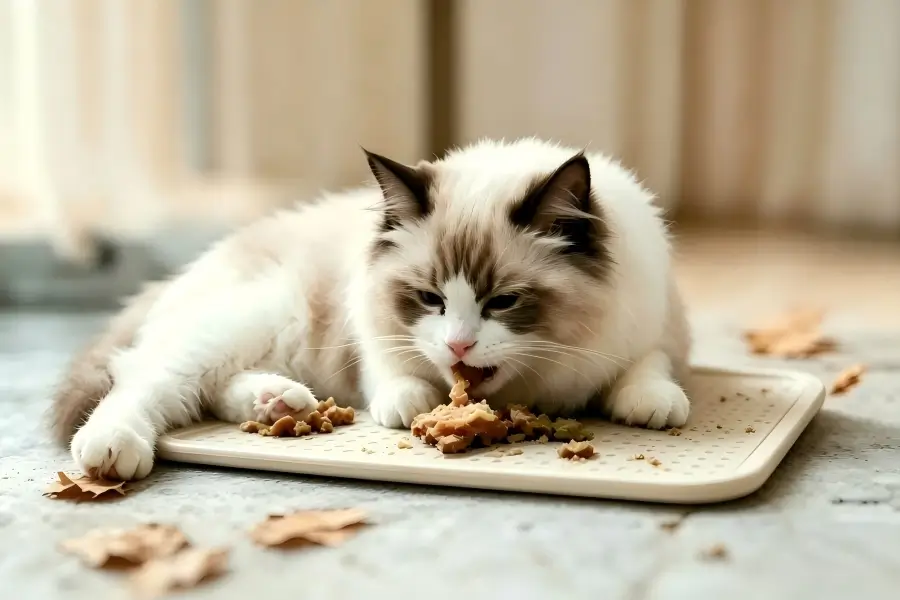
Not every day is perfect for outdoor adventures. Rain, snow, extreme heat, apartment living, or a busy schedule can all limit your pet’s time outside. Fortunately, indoor enrichment can provide the mental and physical stimulation dogs and cats need to stay healthy, engaged, and happy.
Enrichment is more than simply giving your pet a toy. It encourages natural behaviors such as sniffing, hunting, exploring, problem-solving, and learning. The right activities can reduce boredom, prevent destructive behaviors, and strengthen the bond between you and your pet.
What Is Pet Enrichment?
Pet enrichment refers to activities, environments, and tools that encourage your pet to use their natural instincts and mental abilities.
For dogs, enrichment often involves:
- Sniffing and scent work
- Searching for food
- Solving interactive puzzles
- Learning new skills
- Interactive play
For cats, enrichment often involves:
- Hunting behaviors and chasing
- Climbing and elevated perches
- Exploring new scents and textures
- Observing their environment
Signs Your Pet Needs More Enrichment
Many behavior problems are actually boredom problems. Your pet may benefit from more indoor enrichment if you notice:
- Chewing furniture or household items
- Excessive barking or meowing
- Constant attention-seeking
- Restlessness and pacing around the house
- Over-grooming or tail chasing
- Digging indoors
- Destroying toys quickly
- Weight gain due to inactivity
If these behaviors appear regularly, increasing daily enrichment can often make a noticeable difference. Different pets benefit from different types of enrichment. While dogs often enjoy scent work, food puzzles, and training games, cats are usually more motivated by hunting, climbing, and exploration. Let’s look at some practical ideas for both.
Indoor Enrichment Ideas for Dogs
1. Use a Puzzle Feeder
Puzzle feeders turn mealtime into a mental workout. Instead of eating from a regular bowl, dogs must solve simple challenges using interactive dog puzzle toys to access food. These are especially useful for fast eaters and high-energy dogs.
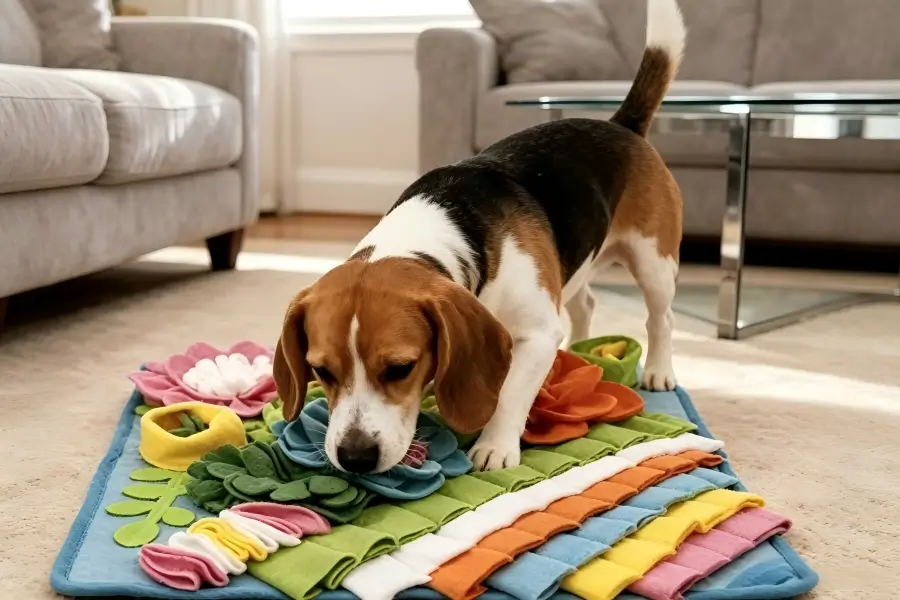
2. Try a Snuffle Mat
Dogs naturally enjoy searching for food using their noses. A snuffle mat hides treats within fabric layers, encouraging sniffing and foraging behaviors. This activity can be surprisingly tiring because scent work requires significant mental effort.
3. Play Hide-and-Seek
Hide treats, toys, or even yourself around the house and encourage your dog to find them. This combines scent work with problem-solving and physical movement.
4. Teach New Tricks
Training sessions are excellent enrichment opportunities. Even five minutes per day can help dogs practice focus and build confidence.
5. Indoor Fetch
If space allows, use a hallway or open room for short games of fetch. Soft, squeaky toys are often safer indoors than hard balls.
6. Frozen Food Toys
Freeze wet food, yogurt, or dog-safe treats inside enrichment toys to create a longer-lasting challenge.
7. Lick Mats
Licking has a naturally soothing effect for many dogs. Calming lick mats can be useful during grooming sessions, crate training, or stressful situations.
Beat Indoor Boredom with Interactive Brain Games
Mental stimulation burns energy just as fast as physical exercise. Discover PawPawJoy’s top-rated puzzle feeders and slow feeding bowls designed to challenge smart pets.
Indoor Enrichment Ideas for Cats
8. Wand Toy Sessions
Interactive wand toys simulate prey movement and activate a cat’s hunting instincts. Short sessions several times per day are often more effective than one long session.
9. Food Hunting Games
Hide treats around the home to encourage searching and exploration.
10. Cat Trees and Vertical Spaces
Cats naturally enjoy climbing and observing their surroundings from elevated positions. Providing vertical space increases environmental enrichment significantly.
11. Window Watching Stations
A comfortable perch near a window can provide hours of stimulation. Birds, squirrels, and outdoor activity create a constantly changing environment.
12. Puzzle Feeders for Cats
Cats can benefit from puzzle feeders just as much as dogs. These feeders encourage natural hunting and feeding behaviors.
13. Cardboard Box Adventures
Many cats love exploring boxes, tunnels, and simple obstacle courses made from household items.
14. Treat Chase Games
Toss treats gently across the floor and encourage your cat to chase and capture them.
Rainy Day Enrichment Ideas
Bad weather often leads to restless pets. Excellent rainy-day activities include:
- Slow feeder bowls and puzzle feeders
- Snuffle mats and treat hunts
- Indoor scent games
- Short trick-training sessions
- Interactive wand and feather toys
Many pet owners discover that 20 minutes of mental stimulation can be as effective as a longer physical exercise session.
Indoor Enrichment for Apartment Pets
Living in an apartment does not mean your pet has to be bored. Apartment-friendly enrichment activities include:
- Textured lick mats
- Puzzle toys and food-dispensing balls
- Clicker training sessions
- Scent work games
- Cat climbing systems
These activities require minimal space while providing maximum mental stimulation.
Soothe Stress & Anxiety During Rainy Days
Help your nervous or high-energy pup relax with calming lick mats and soothing enrichment gear from PawPawJoy.
Indoor Enrichment for Busy Pet Parents
Many pet owners work long hours and cannot spend hours playing every day. Helpful automated or independent enrichment solutions include:
- Treat dispensing toys
- Puzzle feeders
- Rotating toy collections
- Frozen enrichment toys
- Window perches for cats
These options help pets stay occupied even when owners are busy working.
Indoor Enrichment for Anxious Pets
Enrichment can help reduce stress by redirecting nervous energy into positive activities. Many anxious pets respond well to:
- Calming lick mats
- Snuffle mats
- Gentle scent games
- Food puzzles
- Short training sessions
While enrichment is not a cure for severe anxiety, it can be an essential part of a management plan.
Indoor Enrichment for Senior Pets
Older pets often require lower-impact activities. Consider:
- Easy-level puzzle feeders
- Gentle scent games
- Soft chew toys
- Soft lick mats
- Simple treat searches
The goal is mental stimulation without excessive physical strain.
Puzzle Feeder vs Snuffle Mat vs Lick Mat
| Tool | Best For | Main Benefit |
|---|---|---|
| Puzzle Feeder | Dogs and Cats | Problem-solving and slow feeding |
| Snuffle Mat | Dogs | Scent work and foraging |
| Lick Mat | Dogs and Cats | Calming and stress relief |
Daily Indoor Enrichment Checklist
- Provide at least one mental challenge daily
- Rotate toys weekly to maintain novelty
- Encourage natural foraging behaviors
- Include food-based enrichment
- Schedule interactive play sessions
- Adjust activities for age and energy level
Related Guides
- 10 Simple Indoor Enrichment Ideas for Cats
- Best Slow Feeders for Dogs: How to Choose the Right Bowl
- 15 Proven Dog Anxiety Solutions to Keep Your Dog Calm
Frequently Asked Questions
How much enrichment does a dog need daily?
Most dogs benefit from at least 20 to 60 minutes of enrichment activities per day, depending on breed, age, and energy level.
Can indoor enrichment replace walks?
No. Mental stimulation is important, but most dogs still need regular physical exercise and outdoor experiences.
What are the best enrichment toys for puppies?
Puzzle feeders, soft chew toys, snuffle mats, and beginner-level food toys are excellent options.
What enrichment activities do indoor cats enjoy most?
Many cats enjoy wand toys, climbing structures, treat hunts, puzzle feeders, and window watching.
How do I know if my pet is bored?
Common signs include destructive behavior, excessive vocalization, restlessness, and attention-seeking.
Are puzzle feeders good for everyday use?
Yes. Many pet owners use puzzle feeders as part of their daily feeding routine.
Can enrichment help reduce anxiety?
Enrichment can help reduce stress and provide positive outlets for nervous energy, although severe anxiety may require additional support.
What is the easiest indoor enrichment activity to start with?
Simple treat hunts around the house are inexpensive, easy to set up, and enjoyable for both dogs and cats.
Final Thoughts
Indoor enrichment is one of the simplest ways to improve your pet’s daily life. Whether you have an energetic puppy, a curious indoor cat, a senior companion, or a pet that struggles with boredom, enrichment activities help satisfy natural instincts while strengthening your relationship.
Start with a few simple activities, observe what your pet enjoys most, and gradually build a routine that keeps them mentally engaged every day. Explore PawPawJoy’s Play & Enrichment Collection to discover high-quality, non-toxic toys and accessories that make daily enrichment easy and fun!