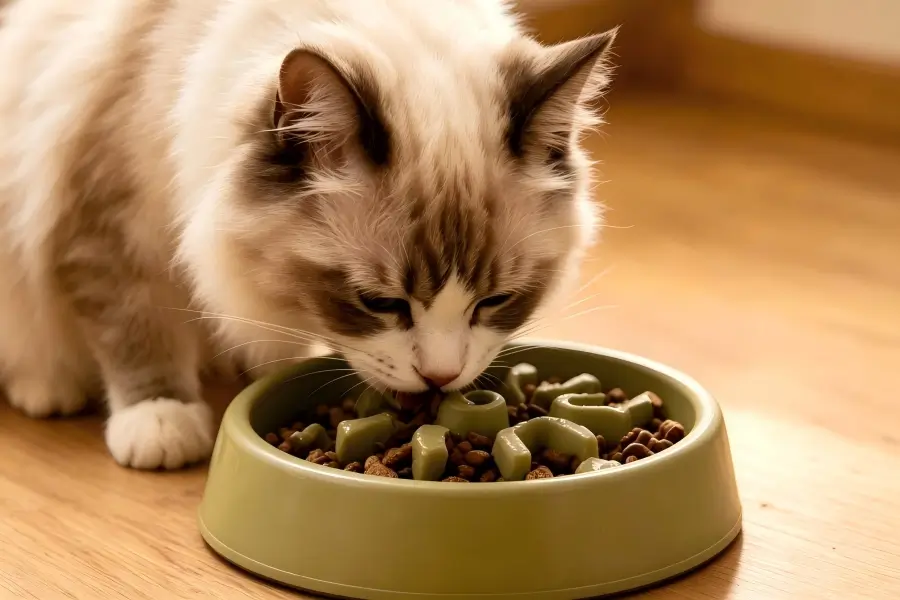
Slow feeder bowls are fantastic tools for pacing mealtime, but their intricate mazes, deep ridges, and tight corners can easily trap kibble dust, wet food residue, and dog saliva. Over time, neglected buildup can cause unpleasant odors, leave stains on the dish, and make cleaning more difficult.
Keeping an interactive bowl fresh and sanitary does not have to be a hassle. With the right tools and a quick daily routine, you can clean even the most complex maze pattern in just a few minutes. Here is an easy step-by-step guide on how to clean a slow feeder bowl thoroughly and safely.
Essential Cleaning Tools You Will Need
Standard flat sponges often miss the tight grooves inside complex maze bowls. To make cleaning effortless, keep these simple household supplies near your kitchen sink:
- Dish Soap: Mild, fragrance-free dish soap that effectively cuts through grease without leaving strong scents behind.
- Bottle Brush or Detail Cleaning Brush: Soft-bristled brushes reach deep into narrow corners and geometric crevices where sponges cannot fit.
- Warm Water: Helps loosen dried-on food bits and purees quickly.
- Microfiber Cloth or Drying Rack: Ensures the bowl dries completely before the next scheduled feeding.
Step-by-Step Guide: How to Clean a Slow Feeder Bowl
Follow these quick steps after mealtimes to keep your slow feeder clean, odor-free, and ready for daily use:
- 1. Shake Out Loose Crumbs: Turn the bowl upside down over the trash can and tap gently to remove leftover dry kibble dust or loose bits.
- 2. Soak in Warm Soap Water: Fill the bowl (or your sink) with warm water and a few drops of dish soap. Let it soak for 5 to 10 minutes to soften stubborn food residue.
- 3. Scrub the Crevices with a Brush: Use a detail brush or bottle brush to clean along the base of the ridges and around tight maze corners.
- 4. Rinse Thoroughly: Run fresh water through every channel to flush out soap suds and lingering food particles.
- 5. Air-Dry Completely: Place the bowl upside down on a dish drying rack. Ensuring full airflow prevents moisture from collecting at the bottom of deep grooves.
Cleaning Tips by Bowl Material
Different materials require slightly different care to maintain their durability and shape over time:
| Material | Recommended Care | Dishwasher Safety |
|---|---|---|
| Food-Grade Silicone | Flexible and smooth; easy to flip or bend open for quick rinsing. Ideal for wet food toppers. | Top-rack safe (avoid high-heat drying cycles) |
| BPA-Free Hard Plastic | Requires soft bristle brushes to prevent scratching the surface plastic. | Top-rack safe (check manufacturer label) |
| Stainless Steel | Naturally non-porous and easy to wipe down; resists odor and oil buildup. | Dishwasher safe |
Looking for Easy-to-Clean Feeding Gear?
Simplify your daily routine with PawPawJoy’s slow feeder bowls designed with practical cleaning features for easier maintenance.
Common Cleaning Mistakes to Avoid
To protect your dog’s health and extend the lifespan of your feeding dish, keep these precautions in mind:
- Avoid Harsh Abrasive Pads: Steel wool or harsh scouring pads can scratch plastic surfaces, creating micro-grooves where food particles accumulate.
- Skip Heavily Scented Detergents: Dogs have a highly sensitive sense of smell. Strong artificial fragrances may cause them to hesitate during mealtime.
- Do Not Store Damp Bowls: Stacking wet dishes together in dark cabinets can trap moisture inside narrow compartments. Always verify the bowl is dry before storing.
Related Guides in Our Feeding Series
- How to Choose a Slow Feeder Bowl for Your Dog
- Are Slow Feeder Bowls Good for Dogs? Honest Pros, Cons & Guide
- Lick Mat vs Slow Feeder: Key Differences & How to Choose
Frequently Asked Questions
Can I put a slow feeder bowl in the dishwasher?
Many silicone and plastic slow feeder bowls are top-rack dishwasher safe. Always check the manufacturer’s care instructions first, and place plastic dishes on the top rack away from lower heating elements.
How often should you clean a dog’s slow feeder bowl?
Ideally, slow feeder bowls should be rinsed or washed after every meal, especially when serving wet food or spreadable toppers. Daily cleaning prevents kibble dust and oils from building up inside the grooves.
How do you get peanut butter out of narrow slow feeder grooves?
Soak the dish in warm, soapy water for 5 to 10 minutes to melt and loosen sticky spreads, then use a soft-bristled detail brush to sweep through the narrow channels.
Final Thoughts
Maintaining a clean slow feeder bowl takes just a couple of minutes each day when you have the right routine. By soaking sticky dishes, using soft detail brushes, and allowing the bowl to air-dry completely, you can keep mealtime fresh, hygienic, and enjoyable for your dog.
Looking for interactive bowls designed with simple maintenance in mind? Discover PawPawJoy’s range of flexible, easy-to-clean Slow Feeder Bowls to upgrade your dog’s mealtime setup today!