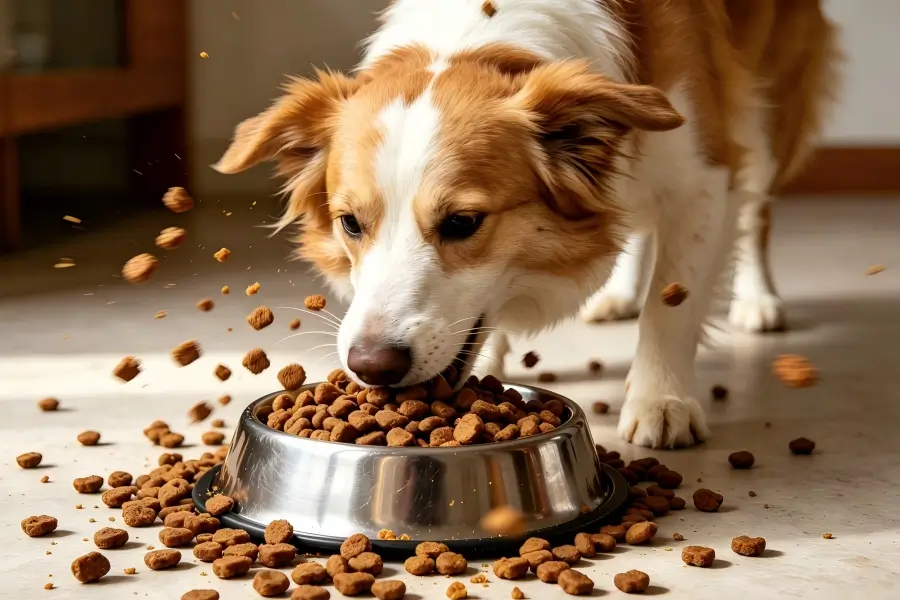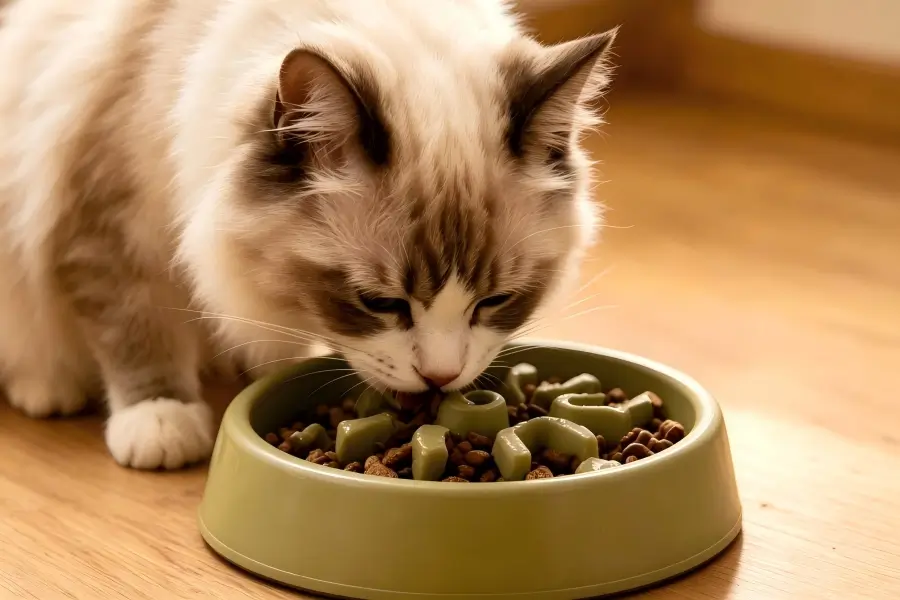
If your dog inhales dinner in seconds, a slow feeder bowl is one of the most practical tools to help them pace themselves. However, choosing the wrong design is surprisingly common. A bowl that is too deep can cause frustration, while one that is too simple won’t slow your dog down at all.
Because every dog has a unique snout shape, eating style, and energy level, there is no single bowl that works for every pup. Matching the right design to your dog’s specific needs ensures mealtime stays safe, calm, and satisfying. Here is a practical step-by-step guide on how to choose the right slow feeder bowl for your dog.
1. Choose Based on Your Dog’s Eating Style
Not all fast eaters approach their bowls the same way. Identifying your dog’s mealtime behavior is the first step toward choosing a suitable design.
- The Fast Gulper: Dogs that swallow kibble whole benefit from multi-channel maze patterns with taller dividers. The obstacle layout encourages them to use their tongue to maneuver smaller portions out of individual crevices.
- The First-Time User: If your dog has only ever eaten from a standard bowl, starting with an overly complex maze can cause confusion. Opt for gentle wave or spiral patterns that extend mealtime without making food feel impossible to reach.
- The Nudge & Push Eater: Dogs that push their bowl across the kitchen floor need models with weighted bases or non-slip rubber grip bottoms to keep the bowl anchored.
- Flat-Faced (Brachycephalic) Breeds: French Bulldogs, Pugs, and Boxers can struggle with deep maze channels. Shallow slow feeders with wide, smooth ridges allow them to pick up food comfortably without pressing their nose awkwardly into tight corners.
2. Choose the Right Slow Feeder Material
The material of the bowl affects cleaning, durability, and daily use during mealtimes.
| Dog Profile | Recommended Material | Why It Helps |
|---|---|---|
| Puppies & Gentle Eaters | Food-Grade Silicone | Soft on gums and teeth, flexible, and easy to pack for travel. |
| Daily Kibble Feeding | Durable BPA-Free Plastic | Lightweight, cost-effective, and available in a wide variety of obstacle patterns. |
| Heavy Chewers & Hygiene-Focused Owners | Stainless Steel / Ceramic | Hygienic, easy to sanitize, and heavy enough to prevent tipping. |
3. Match Bowl Size and Capacity to Your Dog
A common mistake is selecting a bowl based solely on general size labels like “Small” or “Large.” Selecting a bowl with the wrong volume capacity can diminish its effectiveness.
If a small dog uses a bowl that is too large, kibble scatters thinly across wide spaces, allowing them to sweep it up easily. Conversely, overfilling a small bowl above its ridges neutralizes the maze design completely, as the top layer remains fully exposed. Always check the volume capacity (measured in cups) and ensure your dog’s typical meal portion sits flush with or slightly below the divider walls.
4. Consider Cleaning and Daily Maintenance
Because slow feeders feature deep ridges and tight corners, food particles and saliva can accumulate if not cleaned regularly. Consider these practical maintenance factors before buying:
- Look for top-rack dishwasher-safe materials to save time and ensure thorough sanitization.
- If you prefer hand-washing, choose designs with wide, rounded grooves rather than sharp internal angles.
- If you feed wet, canned, or raw food, flexible silicone bowls or smooth-surfaced designs rinse clean much faster than rigid hard plastic.
5. Avoid Common Slow Feeder Mistakes
To ensure a smooth transition and a positive mealtime experience, watch out for these frequent missteps:
- Choosing an Overly Difficult Pattern First: Introducing a high-difficulty maze to an unprepared dog can lead to frustration, causing them to flip the bowl or chew the ridges.
- Skipping Non-Skid Features: Lightweight bowls without suction pads or rubber bases will slide easily, leading to unnecessary mess.
- Leaving the Bowl Unsupervised: Once food is finished, dogs that enjoy chewing may treat plastic ridges as chew toys. Removing the bowl after meals extends its lifespan.
Find the Right Slow Feeder for Your Dog
Upgrade your pup’s mealtime experience! Explore PawPawJoy’s slow feeder bowls designed with safe, durable, and non-slip materials for all eating styles and breed sizes.
6. How to Introduce a Slow Feeder to Your Dog
If your dog is accustomed to a standard bowl, switching to a slow feeder all at once may feel confusing. Following a simple, progressive introduction helps build confidence:
- Stage 1 (First Few Meals): Place a few high-value treats into the slow feeder alongside a small portion of kibble so your dog associates the new bowl with a positive experience.
- Stage 2 (Partial Meals): Divide dinner into two portions. Feed the first half in their standard bowl and the second half in the slow feeder.
- Stage 3 (Full Transition): Once your dog comfortably navigates the ridges without signs of frustration, serve full meals in the slow feeder.
Slow Feeder Bowl Quick Decision Guide
| Dog Scenario | Recommended Approach | Key Feature to Look For |
|---|---|---|
| Gulping food in under a minute | Deep multi-channel maze bowl | Tall dividers that separate kibble |
| Brachycephalic / Short-snout breed | Shallow silicone wave feeder | Smooth, rounded ridges to protect the face |
| Eats quickly and moves bowl around | Heavy-base or suction-bottom feeder | Non-slip rubber grips |
| New to interactive feeding | Simple spiral or wave design | Wide grooves for easy maneuvering |
Frequently Asked Questions
Can my dog use a slow feeder bowl every day?
Yes. For most dogs, using a slow feeder bowl for daily meals is completely safe and serves as a healthy, consistent feeding routine.
Are slow feeder bowls suitable for puppies?
Yes. Introducing a slow feeder during puppyhood helps establish calm eating habits early on. Soft silicone options are particularly gentle on developing teeth and gums.
What if my dog seems frustrated by the slow feeder?
If your dog paws excessively at the bowl or walks away, the pattern may be too challenging. Switch to a design with wider channels or place food only on the outer edges until they get used to it.
Can I use a slow feeder for wet food or raw diets?
Yes. Many slow feeders work exceptionally well with wet food, canned diets, or spreadable toppers. Choose easy-to-clean silicone models for simpler washing.
Final Thoughts
Choosing a suitable slow feeder bowl comes down to observing your dog’s habits and selecting a design that matches their snout shape and eating pace. A well-chosen bowl transforms frantic gulping into a calmer and more structured mealtime routine.
Take time to assess your dog’s current feeding style, select the appropriate material and depth, and transition them gradually. Ready to find the ideal match for your pup? Explore PawPawJoy’s collection of Slow Feeder Bowls today!