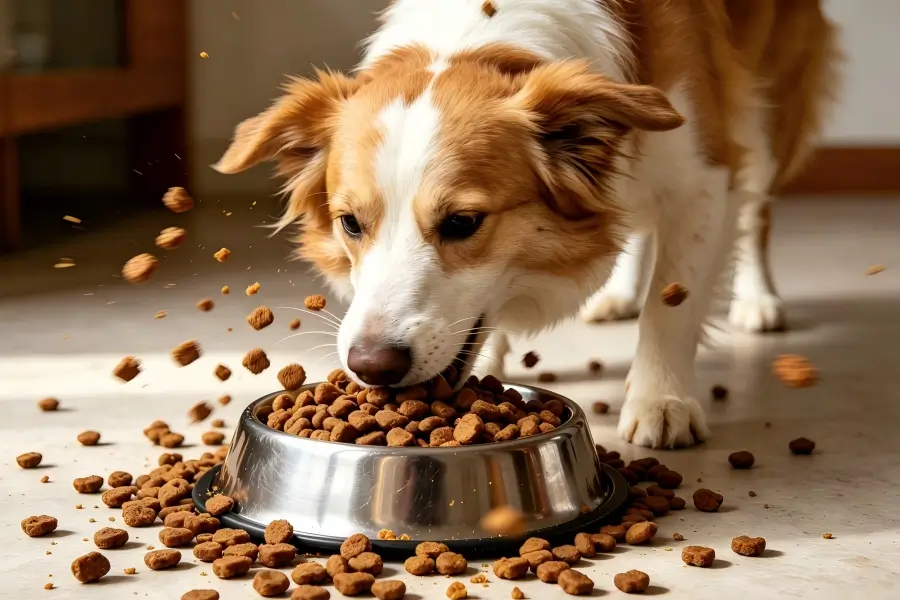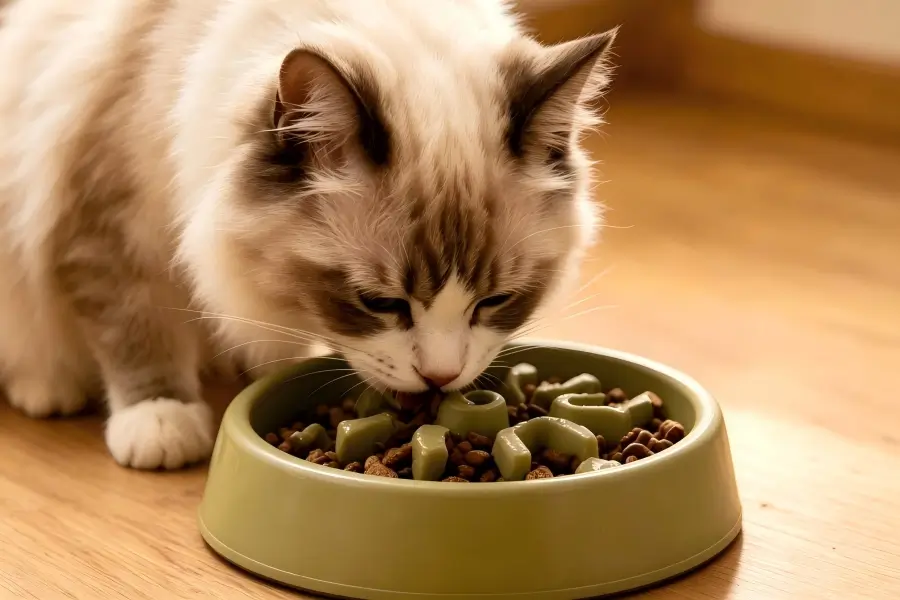
If you’ve ever watched your dog gulp down an entire bowl of food in under thirty seconds, you might have wondered if there’s a better way to manage mealtime. Slow feeder bowls have become standard tools for pet parents, but how do these uniquely shaped dishes actually work?
Far from being just a novelty item, slow feeder bowls rely on simple physics and canine behavioral psychology. By replacing an open bowl with interactive obstacles, they transform rapid gulping into a paced, engaging activity. Here is a close look at the mechanics behind slow feeder bowls and why they are so effective for daily feeding routines.
1. The Mechanics: How Physical Obstacles Pace Mealtime
The primary function of a slow feeder bowl is to introduce physical boundaries between your dog and their food. Instead of scooping up massive mouthfuls at once, your dog must work around built-in challenges.
- Portion Separation: Internal ridges, mazes, and geometric dividers break a single meal into dozens of tiny, isolated pockets. This prevents your dog from grabbing large gulps of kibble in a single bite.
- Tongue & Snout Engagement: To extract kibble from narrow channels, dogs must use their tongue and lips to lick and lift smaller portions. This micro-maneuvering naturally extends the time spent eating.
- Forced Pacing: Because kibble is dispersed across the bowl’s surface, your dog must pause, move their head, and reposition their mouth for every bite, creating a steady, measured rhythm.
2. Tapping Into Natural Foraging Instincts
To understand why slow feeders work so well, it helps to look at canine evolution. Wild ancestors of dogs rarely found massive piles of free food; they spent considerable time searching, sniffing, and working to extract sustenance.
When food is served in a traditional wide-open dish, this natural scavenging drive is bypassed in seconds. Slow feeder bowls reintroduce a mild form of foraging. Working food out of maze patterns engages your dog’s brain and satisfies their natural instinct to search and solve problems during mealtime.
3. How Slow Feeders Change the Eating Experience
By shifting how food is consumed, slow feeder bowls help create a more balanced routine around daily meals:
| Mealtime Challenge | Standard Bowl Response | Slow Feeder Solution |
|---|---|---|
| Rapid Gulping | Allows swallowing large mouthfuls whole | Forces small, single-portion extractions |
| Swallowing Air During Fast Eating | May encourage rapid gulping behaviors | Encourages smaller bites and a slower eating pace |
| Post-Meal Restlessness | Meal ends in 20 seconds, leaving unspent energy | Extends mealtime, providing mental engagement |
| Messy Eating | Kibble gets pushed over dish edges easily | High dividers keep food contained within channels |
4. Are Slow Feeder Bowls Suitable for Every Dog?
While slow feeders provide immense value for fast eaters, understanding their limits ensures you choose the right approach for your specific pup:
- High-Energy Fast Gulpers: Benefit the most from intricate, deep maze patterns that require focused tongue work.
- Short-Snouted (Brachycephalic) Dogs: Pugs and Bulldogs can find deep, narrow mazes uncomfortable. They may be more comfortable with shallow, smooth-contoured silicone bowls.
- Senior Dogs or Sensitive Pups: Older dogs with dental considerations or mild appetite hesitation may prefer wide, simple spiral designs that slow eating gently without adding friction.
Explore Paced & Engaging Feeding Solutions
Turn daily mealtime into a calm, rewarding routine. Discover PawPawJoy’s collection of non-slip, easy-to-clean slow feeder bowls designed for different dog sizes and eating styles.
5. Simple Tips for Using a Slow Feeder Effectively
To get the best performance out of your slow feeder bowl while keeping your dog comfortable, keep these practical guidelines in mind:
- Distribute Food Evenly: Spread kibble across all maze channels rather than dumping it in one central spot so the obstacles can work as intended.
- Keep the Base Stable: Use a bowl with built-in rubber grips or place a non-skid mat underneath to prevent your dog from chasing the dish across the room.
- Clean Grooves Regularly: Saliva and kibble dust settle into inner channels. Rinse daily and wash with warm soap or place on the top rack of your dishwasher.
- Supervise Early Sessions: Observe your dog during their first few uses to ensure they navigate the bowl calmly without chewing on the dividers.
Related Guides in Our Feeding Series
- How to Choose a Slow Feeder Bowl for Your Dog
- Why Dogs Eat Too Fast: Safe & Easy Solutions
- Indoor Pet Enrichment Guide: Easy Ways to Keep Pets Happy
Frequently Asked Questions
Do slow feeder bowls really work for fast eaters?
Yes. By physically separating food into small channels, slow feeder bowls can help extend mealtime from seconds to several minutes depending on the bowl design and your dog’s eating habits.
Can slow feeder bowls be used for wet food or treats?
Absolutely. Many pet parents use silicone or smooth-surfaced slow feeders for wet canned food, spreadable toppers, or frozen yogurt treats.
Is it normal for a dog to take longer to finish meals at first?
Yes. When first introduced to a slow feeder, your dog is learning a new physical skill. It is completely normal for meals to take several extra minutes as they adapt to the design.
How often should a slow feeder bowl be cleaned?
Slow feeder bowls should be washed daily after meals, just like standard food dishes, to prevent bacteria and food buildup in the inner grooves.
Final Thoughts
Slow feeder bowls work by replacing simple open access with thoughtful physical design. By encouraging smaller bites, deliberate tongue movement, and natural foraging instincts, these bowls transform a frantic feeding routine into a calm, structured event.
Understanding how these bowls operate makes it easy to pick the right pattern and material for your dog’s daily needs. Ready to enhance your pup’s daily routine? Check out PawPawJoy’s range of Slow Feeder Bowls to find a balanced solution today!