Most pet owners know that dogs and cats need physical exercise, but many underestimate the importance of mental stimulation. Just like people, pets benefit from opportunities to think, explore, learn, and solve problems. Mental enrichment helps keep pets engaged with their environment and can contribute to a happier, more fulfilling life.
In the wild, animals spend much of their day searching for food, investigating their surroundings, and responding to new challenges. Modern pets often receive food in a bowl and spend much of their time indoors, which means they have fewer opportunities to use these natural skills. Without enough mental engagement, boredom can develop, sometimes leading to unwanted behaviors.
Puzzle toys offer a practical solution. By encouraging pets to work for rewards, investigate hidden treats, and solve simple challenges, puzzle toys transform ordinary playtime into valuable mental exercise. Whether you have a curious cat, an energetic puppy, or an adult dog that needs more enrichment, the right interactive toy can help support their mental well-being.
Why Mental Stimulation Matters for Pets
Mental stimulation is an important part of a balanced enrichment routine. While physical activity helps burn energy, mental activities challenge the brain and encourage pets to actively engage with their environment.
Benefits of regular mental stimulation may include:
- Reducing boredom during the day
- Providing positive outlets for energy
- Encouraging curiosity and exploration
- Supporting confidence and learning
- Helping pets stay engaged with their surroundings
- Promoting overall emotional well-being
Many pet owners notice that a mentally engaged pet is often more relaxed and satisfied after enrichment activities. In some cases, a short puzzle session can be surprisingly tiring because it requires concentration and problem-solving.
Signs Your Pet May Need More Mental Stimulation
Pets often show signs when they need additional enrichment. While these behaviors can have multiple causes, boredom and insufficient mental engagement are common contributing factors.
Common Signs in Dogs
- Excessive barking
- Chewing furniture or household items
- Digging in inappropriate places
- Restlessness throughout the day
- Constant attention-seeking behavior
- Difficulty settling after physical exercise
Common Signs in Cats
- Destructive scratching
- Nighttime hyperactivity
- Overgrooming
- Frequent vocalization
- Loss of interest in toys
- Repeated attention-seeking behaviors
If your pet regularly displays these behaviors, introducing new enrichment activities such as interactive puzzle toys may help create a more engaging daily routine.
Stop Boredom & Curb Chewing
Is your pet turning boredom into destructive chewing? Challenge their brain and channel energy into positive play with PawPawJoy’s treat-dispensing puzzle toys.
What Are Puzzle Toys?
Puzzle toys are interactive enrichment toys that encourage pets to think and work toward a reward. Instead of receiving treats immediately, pets must manipulate the toy, move pieces, uncover hidden compartments, or solve simple challenges.
Unlike traditional toys that focus primarily on physical play, puzzle toys are designed to stimulate the brain. Many food puzzles combine mental engagement with reward-based learning, making them especially appealing to both dogs and cats.
Today’s market offers a wide variety of interactive puzzle toys, from beginner-friendly treat dispensers to advanced puzzle boards designed for experienced problem-solvers.
How Puzzle Toys Support Mental Stimulation
They Encourage Problem Solving
Puzzle toys require pets to think through challenges rather than instantly receiving a reward. Dogs may need to roll, push, or rotate a toy, while cats may need to paw, investigate, or reach into hidden compartments.
This process encourages active thinking and helps keep the brain engaged.
They Create Longer Engagement Periods
Many pets can finish a treat in seconds. Puzzle toys extend the experience by requiring effort and concentration, helping pets stay occupied for longer periods.
They Build Confidence Through Success
Successfully solving a challenge provides a rewarding experience. As pets learn how puzzles work, they often become more confident and eager to engage with new enrichment activities.
They Provide Positive Mental Exercise
Mental exercise can be just as valuable as physical exercise. Activities that require focus, memory, and problem-solving help create healthy opportunities for pets to use their brains.
This is one reason why dog brain games and cat brain games have become increasingly popular among pet owners looking for meaningful enrichment solutions.
Natural Behaviors Puzzle Toys Help Satisfy
One of the biggest advantages of puzzle toys is their ability to support behaviors that come naturally to dogs and cats.
| Natural Behavior | How Puzzle Toys Help |
|---|---|
| Foraging | Encourages pets to search for hidden food rewards. |
| Hunting | Supports stalking, tracking, and reward-seeking instincts. |
| Food Seeking | Turns feeding into an active experience rather than passive eating. |
| Exploration | Encourages investigation of new objects and challenges. |
| Problem Solving | Requires pets to learn how a toy works to access rewards. |
| Reward Learning | Helps pets associate effort with positive outcomes. |
These natural behaviors are important components of enrichment and help explain why food puzzles and interactive puzzle toys can be so engaging.
Quick Checklist: Is Your Pet Getting Enough Mental Stimulation?
- My pet has opportunities to solve simple challenges every day.
- My pet regularly investigates new objects or environments.
- My pet receives enrichment beyond feeding and exercise.
- My pet enjoys activities that encourage natural instincts.
- My pet stays engaged with toys rather than losing interest immediately.
- My pet appears satisfied and relaxed after enrichment activities.
If you answered “no” to several items, your pet may benefit from additional mental stimulation opportunities.
Real-Life Scenarios Where Puzzle Toys Help
The Working Pet Parent
Many dogs spend several hours alone while their owners are at work. Puzzle toys can provide an engaging activity that helps break up periods of inactivity and soothe separation anxiety.
The Indoor Cat
Indoor cats often have fewer opportunities to hunt and explore. Puzzle feeders can encourage natural hunting and food-seeking behaviors in a safe indoor environment.
The Curious Puppy
Puppies are naturally curious and eager to learn. Beginner puzzle toys can help channel that curiosity into positive activities while introducing simple problem-solving skills.
The Multi-Pet Household
Homes with multiple pets can benefit from individual enrichment activities that help each pet stay mentally engaged.
Types of Puzzle Toys for Dogs and Cats
| Puzzle Toy Type | How It Works | Best For |
|---|---|---|
| Treat Dispensing Toys | Rewards are released during play. | Beginners and everyday enrichment. |
| Puzzle Feeders | Pets work to access food. | Fast eaters and meal enrichment. |
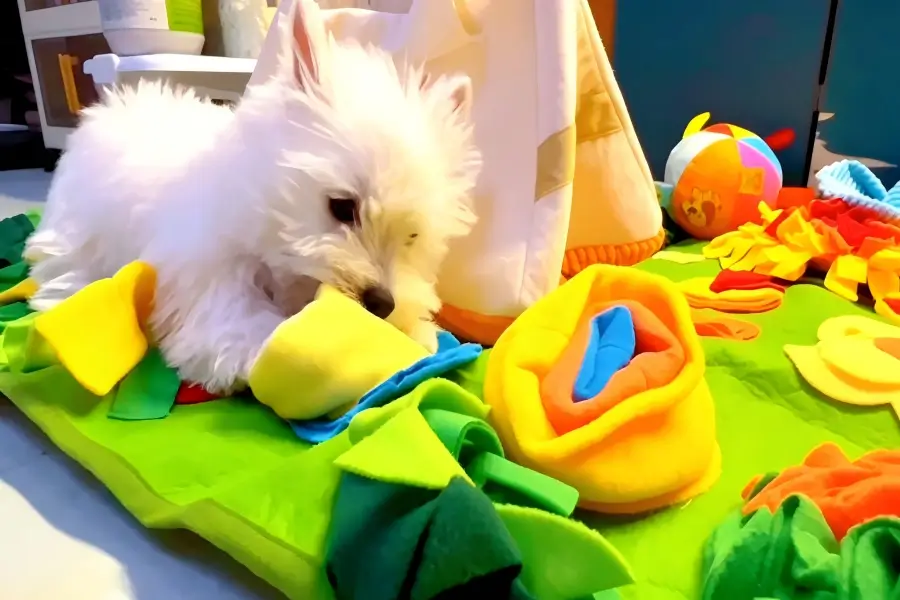
| Snuffle Mats | Food is hidden among fabric layers. | Dogs that enjoy sniffing and foraging. |
| Interactive Puzzle Boards | Sliding and rotating pieces reveal rewards. | Experienced problem-solvers. |
| Cat Puzzle Feeders | Encourage pawing and exploration. | Indoor cats. |
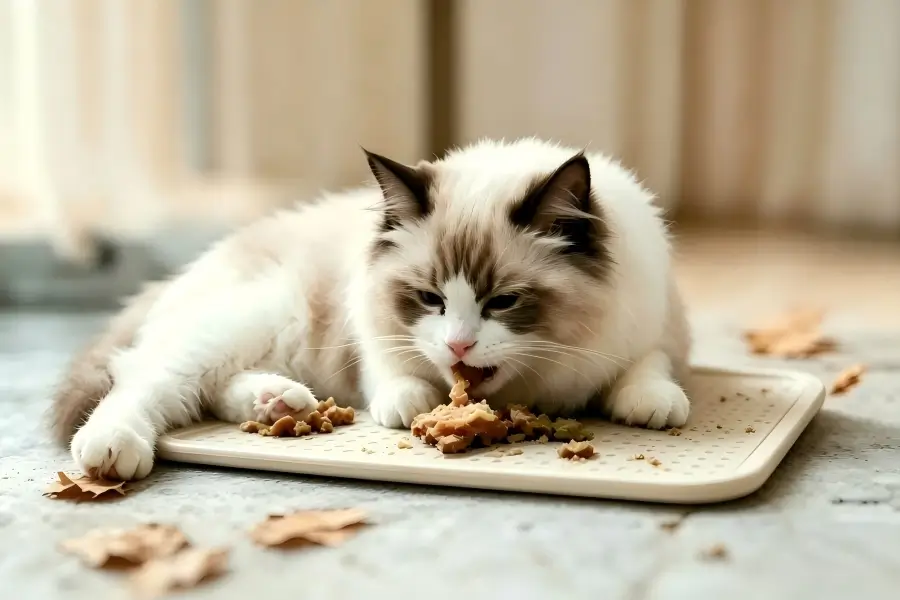
| Lick Mats | Pets lick spreadable treats from textured surfaces. | Calming enrichment activities. |
Soothe Anxiety & Enrich Daily Meals
From calming textured lick mats to multi-level puzzle boards, discover the perfect enrichment gear to reduce stress and boost your pet’s happiness.
Which Puzzle Toy Is Best for Your Pet?
Choosing the right puzzle toy depends on your pet’s personality, experience level, and enrichment needs.
| If Your Pet… | Recommended Puzzle Toy |
|---|---|
| Eats too quickly | Slow Feeder |
| Enjoys sniffing and searching | Snuffle Mat |
| Needs calming activities | Lick Mat & Calming Toy |
| Solves puzzles easily | Interactive Puzzle Board |
| Is new to enrichment | Treat Dispensing Toy |
| Is an indoor cat | Cat Puzzle Feeder |
Puzzle Toy Difficulty Levels
Many pet owners wonder where to start. Choosing the right difficulty level can help prevent frustration and encourage success.
| Difficulty Level | Examples | Best For |
|---|---|---|
| Beginner | Treat dispensers, simple food puzzles | Pets new to enrichment |
| Intermediate | Snuffle mats, basic puzzle feeders | Pets with some puzzle experience |
| Advanced | Interactive puzzle boards, multi-step puzzles | Experienced problem-solvers |
A good strategy is to start with beginner-level puzzles and gradually introduce more complex challenges as your pet becomes comfortable.
How to Choose the Right Puzzle Toy
Match Your Pet’s Natural Interests
Dogs that love sniffing often enjoy snuffle mats, while food-motivated pets may prefer puzzle feeders and treat-dispensing toys.
Start Simple
Beginning with an easy challenge helps build confidence and encourages continued participation.
Rotate Toys Regularly
Offering different puzzle toys throughout the week can help maintain novelty and interest.
Choose Durable, Pet-Safe Materials
Select products made from high-quality materials that are appropriate for your pet’s size and chewing habits.
Common Mistakes Pet Owners Make
- Starting with puzzles that are too difficult.
- Expecting immediate success.
- Using the same toy every day without variety.
- Choosing toys that do not match the pet’s interests.
- Failing to supervise when introducing a new puzzle.
The most successful enrichment programs develop gradually and focus on creating positive experiences.
Frequently Asked Questions
Are puzzle toys suitable for both dogs and cats?
Yes. There are puzzle toys specifically designed for both species, and each can benefit from mental enrichment activities.
How often should pets use puzzle toys?
Short daily sessions are often more effective than occasional long sessions. Consistency helps keep pets mentally engaged.
Can puzzle toys help reduce boredom?
Many pet owners use puzzle toys as part of a broader enrichment routine to help reduce boredom and encourage positive behaviors.
What age can pets start using puzzle toys?
Many puppies and kittens can begin with beginner-level puzzle toys under supervision.
Can puzzle toys help with separation anxiety?
Puzzle toys may provide a positive activity during alone time, but they should be considered one part of a broader management plan for separation-related behaviors.
Can puzzle toys replace walks or physical exercise?
No. Mental stimulation and physical exercise work best together as part of a balanced enrichment routine.
Support Your Pet’s Mental Well-Being with Puzzle Toys
The right puzzle toy can turn ordinary playtime into a rewarding learning experience. Whether your pet enjoys sniffing, searching, hunting, or solving challenges, enrichment toys can help provide the mental stimulation they need to thrive.
From puzzle feeders and treat dispensers to snuffle mats and advanced interactive puzzle toys, there are options for every age, experience level, and personality. By introducing activities that encourage natural behaviors and problem-solving, you can help create a more engaging daily routine for your dog or cat.
Explore puzzle feeders, treat dispensers, snuffle mats, and other enrichment products to build a more stimulating environment that supports your pet’s long-term well-being.