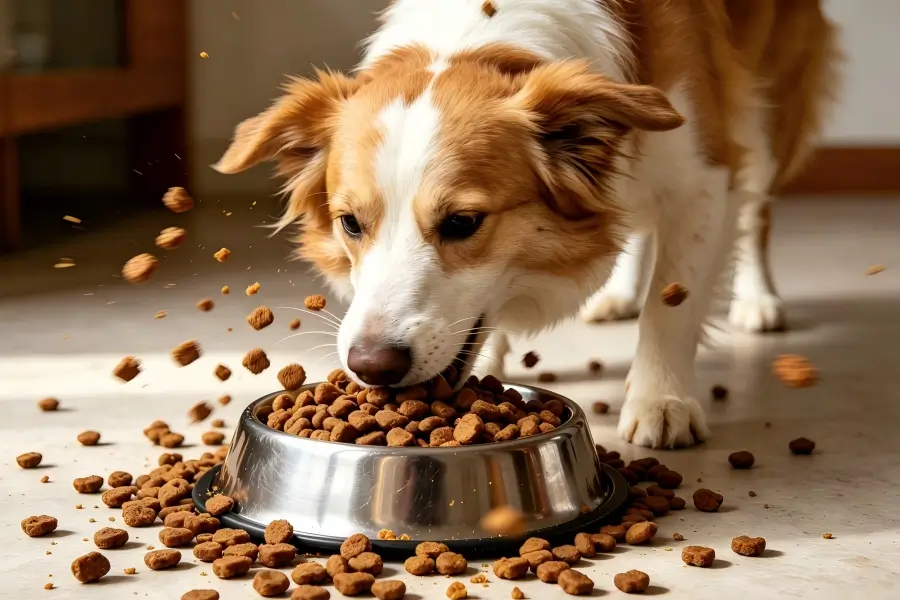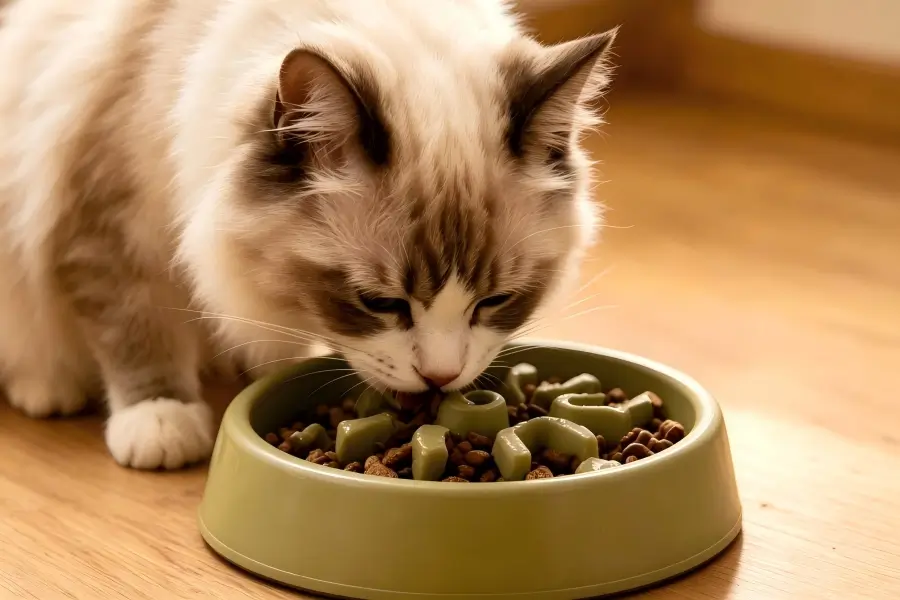
When pet owners start exploring enrichment feeding tools, two products almost always appear: puzzle feeders and slow feeders. At first glance, they look similar because both involve food and both can change how your pet eats.
But they are designed for completely different purposes—and choosing the wrong one often leads to frustration, wasted money, or a pet that still has the same problem.
This guide will help you clearly understand the difference, when to use each one, and how to decide whether your dog or cat needs a slow feeder, a puzzle feeder, or both.
The Simple Difference (Read This First)
| Feature | Slow Feeder | Puzzle Feeder |
|---|---|---|
| Main Goal | Slow down eating speed | Provide mental stimulation |
| How It Works | Physical obstacles in bowl | Requires problem-solving |
| Mental Effort | Low | Medium to High |
| Best For | Fast eaters | Bored or intelligent pets |
| Daily Use | Very easy | Depends on difficulty level |
| Learning Curve | Almost none | Yes (training needed) |
Key takeaway: Slow feeders change eating speed. Puzzle feeders change eating behavior.
What Is a Slow Feeder?
A slow feeder is a specially designed bowl with ridges, maze patterns, or barriers that force pets to eat more slowly.
Instead of grabbing large mouthfuls of food, your dog or cat must work around the structure inside the bowl.
Best For Pets That:
- Eat too quickly
- Swallow food without chewing
- Finish meals in under a minute
- Often vomit after eating too fast
- Compete with other pets during meals
Real-World Benefit
A slow feeder does not “teach” your pet anything—it simply changes the physical eating pace. That’s why it works well for daily feeding with almost no training.
Stop Bloat & Speed Eating
Does your pup gulp down food in seconds? Slow down mealtime, prevent choking, and improve digestion with our durable, non-toxic slow feeder bowls.
What Is a Puzzle Feeder?
A puzzle feeder is an interactive feeding tool that requires your pet to solve a challenge before accessing food or treats.
This might include sliding panels, flipping lids, moving parts, or food hidden inside compartments.
Best For Pets That:
- Get bored easily
- Need mental stimulation indoors
- Show destructive behavior when alone
- Finish meals too quickly and still seek attention
- Benefit from enrichment activities
Real-World Benefit
A puzzle feeder turns eating into a brain activity. It helps replicate natural foraging behavior and keeps pets mentally engaged.
Bust Boredom & Boost Brain Power
Keep curious minds busy! Challenge your dog or cat with interactive treat-dispensing puzzles designed to curb anxiety and prevent destructive chewing.
Side-by-Side: What Problem Are You Actually Solving?
| If Your Problem Is… | Best Choice |
|---|---|
| My pet eats too fast | Slow Feeder |
| My pet is bored at home | Puzzle Feeder |
| My pet needs mental stimulation | Puzzle Feeder |
| My pet vomits after eating | Slow Feeder |
| My pet destroys things when bored | Chew & Puzzle Toys |
| I want a simple daily feeding tool | Slow Feeder |
Important insight: Most people don’t need a “better feeder”—they need to correctly identify the real problem.
Real-Life Scenarios (This Helps Most Owners Decide)
Scenario 1: The Fast Eater
A Labrador finishes meals in 30 seconds and often coughs afterward.
Best solution: Slow feeder.
Why? The issue is speed, not boredom.
Scenario 2: The Bored Indoor Dog
A dog constantly follows owners, chews objects, and struggles to settle.
Best solution: Puzzle feeder & calming toys.
Why? The issue is lack of mental stimulation.
Scenario 3: The Indoor Cat
An indoor cat sleeps most of the day and shows little activity between meals.
Best solution: Puzzle feeder (strong recommendation).
Why? Cats benefit significantly from hunting-style feeding behavior.
Which Is Better for Weight Management?
Neither product directly causes weight loss. However, both can support healthier habits in different ways.
- Slow feeders: Help control eating pace and reduce overeating behavior.
- Puzzle feeders: Increase time spent eating and add mental activity.
For overweight pets, puzzle feeders are often more effective because they increase engagement and slow down consumption at the same time.
Can You Use Both?
Yes—and in many cases, this is the best option.
How to combine them effectively:
- Use slow feeders for daily meals (breakfast or routine feeding)
- Use puzzle feeders for enrichment sessions
- Switch puzzle feeders on rainy or low-activity days
- Use slow feeders for multi-pet households
Think of them as two tools solving two different problems—not competing products.
Common Mistakes Pet Owners Make
- Buying an advanced puzzle feeder too early
- Assuming slow feeders provide mental stimulation
- Choosing a puzzle feeder that is too difficult
- Expecting feeding tools to replace exercise
- Not observing how the pet actually eats or behaves
The most successful approach is starting simple and adjusting based on your pet’s behavior.
How to Choose the Right One (Quick Decision Guide)
| If You Notice This… | Choose |
|---|---|
| Fast eating or gulping food | Slow Feeder |
| Boredom or destructive behavior | Puzzle Feeder |
| Indoor lifestyle with low stimulation | Puzzle Feeder |
| Need for simple daily feeding solution | Slow Feeder |
| Pet needs both enrichment and control | Use Both |
Frequently Asked Questions
Do puzzle feeders slow down eating?
Yes, but indirectly. They slow eating by requiring interaction, while slow feeders physically restrict speed.
Can cats use slow feeders?
Yes. Many cats benefit from slow feeders, especially those that eat too quickly or vomit after meals.
Are puzzle feeders good for beginners?
Yes, but start with easy-level puzzles to avoid frustration.
Should every pet use a puzzle feeder?
No. Some pets need enrichment more than others. It depends on personality, energy level, and environment.
Final Verdict
If your pet eats too fast, choose a slow feeder.
If your pet needs mental stimulation, choose a puzzle feeder.
If your pet has both issues—or you want a healthier daily routine—use both strategically.
The best choice is not about the product itself, but about understanding your pet’s behavior and matching the tool to the real problem.