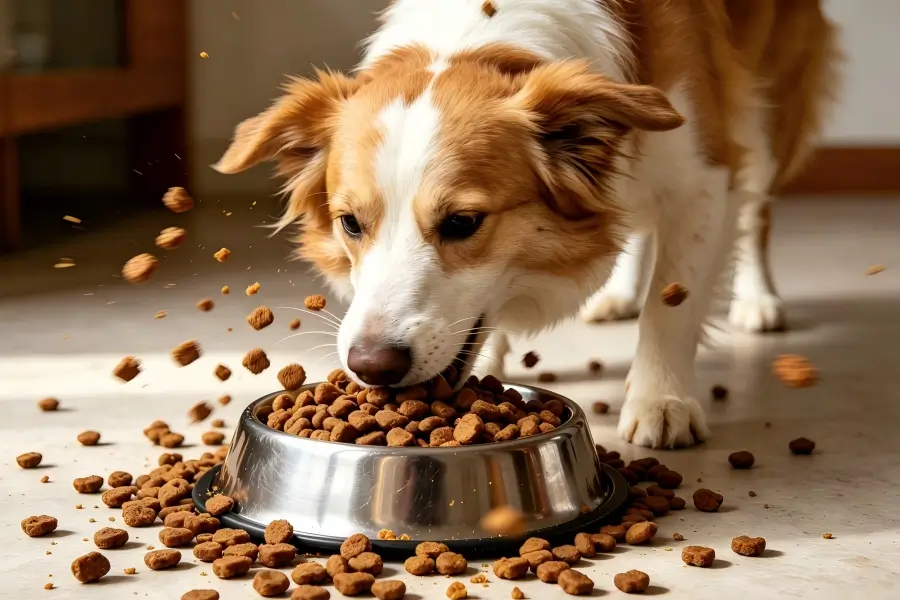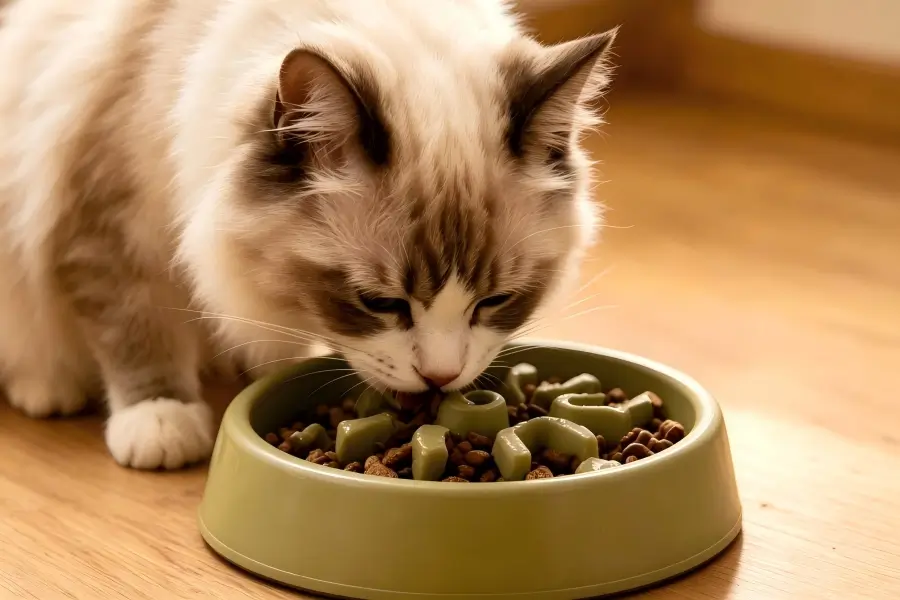
If you have ever watched your dog gobble down a full meal in seconds, you have likely wondered if a slow feeder bowl is worth trying. With so many interactive pet products on the market, it is reasonable to ask: are slow feeder bowls actually good for dogs, or are they just another trending accessory?
For many dogs, switching to a slow feeder dish transforms mealtime into a much calmer, more structured routine. However, they are not necessarily required for every single canine. Here is an honest look at the advantages, potential downsides, and key factors to help you decide if a slow feeder bowl is right for your dog.
Signs Your Dog May Benefit from a Slow Feeder
Before investing in new feeding gear, observe your dog’s current mealtime habits. A slow feeder bowl is often most helpful if your dog displays any of the following behaviors:
- Finishing Meals in Seconds: Inhaling kibble without taking time to crunch or chew properly.
- Post-Meal Restlessness: Pacing around or begging for more food immediately after emptying the dish.
- Messy Feeding Habits: Nudging food out of the bowl and leaving kibble scattered across the kitchen floor.
- Boredom During Midday Meals: Showing high energy or seeking mental engagement around scheduled feeding times.
The Practical Benefits of Slow Feeder Bowls
When used appropriately, slow feeder bowls offer several everyday advantages for dogs and pet parents alike:
- Encourages Paced Eating Habits: Physical obstacles force dogs to take smaller bites and work around ridges, extending mealtime from seconds to several minutes.
- Provides Mental Engagement: Navigating maze patterns taps into natural foraging instincts, turning routine feeding into a light, rewarding mental exercise.
- Helps Keep Food Inside the Bowl: Raised interior dividers help trap kibble, reducing the amount of food pushed over the edges during enthusiastic eating.
- Creates a More Engaging Feeding Routine: Slowing down mealtime gives dogs more opportunity to interact with their food and stay mentally engaged.
Potential Downsides to Keep in Mind
To give an accurate picture, slow feeder bowls do come with a few potential drawbacks that pet owners should consider:
- Can Cause Initial Frustration: If a pattern is too intricate for a beginner, some dogs may get discouraged, paw at the bowl, or attempt to flip it over.
- Requires Regular, Thorough Cleaning: Deep grooves and tight corners collect saliva and kibble dust, requiring routine scrubbing or dishwasher cleaning to keep hygienic.
- Not Ideal for Hard Chewers Unsupervised: Hard plastic ridges can become targets for heavy chewers once all the kibble has been consumed.
Ready to Explore Paced Feeding Options?
Find the ideal balance of challenge and comfort for your pup. Discover PawPawJoy’s selection of non-slip, easy-to-clean slow feeder bowls designed for different eating styles.
Quick Decision Guide: Is a Slow Feeder Right for Your Dog?
| Dog Situation | Recommendation | Suggested Approach |
|---|---|---|
| Eats very quickly / Gulping kibble | Often a Good Choice | Start with a medium-depth maze pattern |
| Eats at a calm, normal pace | Optional | Use occasionally for fun mental enrichment |
| Short-snouted (Frenchie, Pug) | Recommended with Care | Choose shallow, flexible silicone designs |
| Senior dog with dental sensitivity | Recommended with Care | Opt for soft silicone or simple wide-groove designs |
How to Make Slow Feeding a Positive Experience
If you decide to try a slow feeder, following a few practical steps ensures a smooth experience for your dog:
- Start with a Simple Pattern: Choose a basic wave or spiral pattern first so your dog learns how to navigate dividers without feeling stuck.
- Supervise the First Few Meals: Watch how your dog interacts with the bowl to make sure they are not biting the plastic or becoming overly frustrated.
- Clean After Every Use: Rinse or wash the dish daily to maintain cleanliness and keep food tasting fresh.
Related Guides in Our Feeding Series
- How to Choose a Slow Feeder Bowl for Your Dog
- How Do Slow Feeder Bowls Work? Easy Mechanics Explained
- Why Dogs Eat Too Fast: Safe & Easy Solutions
Frequently Asked Questions
Can dogs use a slow feeder bowl for every meal?
Yes. For dogs that eat too quickly, using a slow feeder dish for daily meals can become a practical part of their regular feeding routine.
What should I do if my dog refuses to use a slow feeder?
If your dog seems hesitant, try placing high-value treats alongside their regular kibble or switch to a simpler design with wider channels to help build their confidence.
Do slow feeders work for wet food or treats?
Yes. Smooth silicone slow feeders work very well for wet food, spreadable toppers, and soft treats, making cleanup much simpler compared to hard plastic mazes.
Final Thoughts
So, are slow feeder bowls good for dogs? For fast eaters who rush through mealtimes, they are an effective, practical solution that turns a quick meal into an engaging, structured activity. By considering your dog’s snout shape, eating speed, and experience level, you can easily determine if adding a slow feeder dish is the right choice for your household.
Ready to upgrade your dog’s daily meal routine? Browse PawPawJoy’s curated range of Slow Feeder Bowls to find the best fit today!