You put down your dog’s food bowl, look away for a moment, and it’s already empty. If that sounds familiar, you’re not alone. Many dogs seem to inhale their meals in seconds, leaving pet parents wondering whether it’s normal or something to be concerned about.
While fast eating may seem harmless, it can sometimes contribute to digestive discomfort, vomiting, choking risks, and other health concerns. The good news is that there are simple ways to help your dog develop healthier mealtime habits. In this guide, we’ll explore why dogs eat so fast, the potential risks, and practical solutions that can make mealtime safer and more enjoyable.
A Common Mealtime Scenario
Imagine this: you place two bowls on the floor for your dogs. Before one dog has even taken a second bite, the other has already finished and is looking around for more food. Or maybe your dog can empty an entire bowl before you’ve even had a chance to sit down for your own meal.
For many pet parents, this happens every day. Fast eating is incredibly common, but understanding the reason behind it can help you choose the right solution and create a healthier, more enjoyable feeding routine.
Why Do Dogs Eat So Fast?
Natural Survival Instincts
Dogs evolved from ancestors that often competed for limited food resources. Eating quickly helped ensure they got enough food before another animal did. Even though modern dogs enjoy regular meals, those instincts can still influence their behavior.
Competition From Other Pets
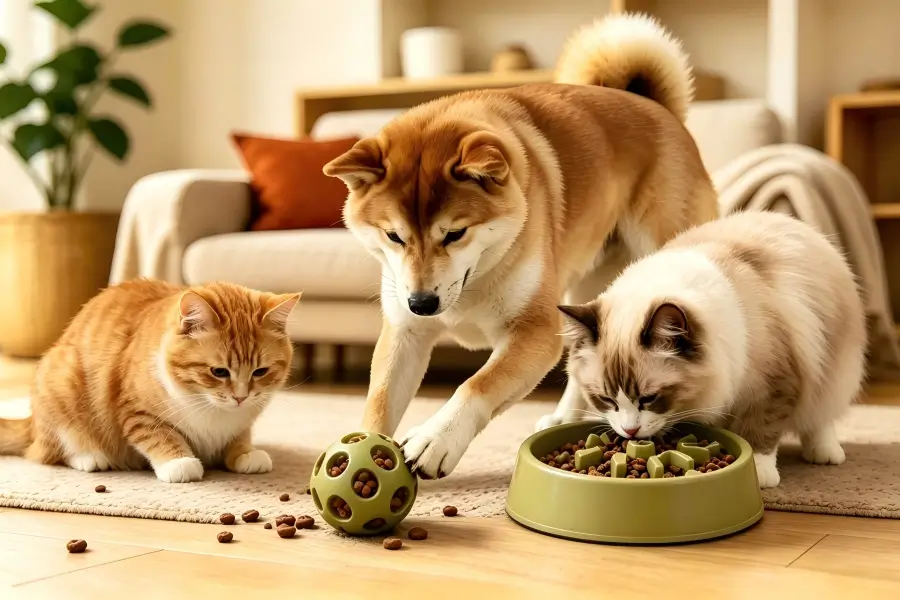
Dogs living with other pets may feel pressure to finish their food quickly, even if nobody is actually trying to steal it. The simple presence of another dog or cat can trigger competitive eating behavior.
High Food Motivation
Some dogs simply love food. Breeds known for strong food motivation often become extremely excited at mealtime and naturally eat faster than others.
Irregular Feeding Schedules
Dogs that don’t have predictable meal times may become overly eager when food finally appears. A consistent feeding routine often helps reduce this excitement.
Learned Behavior
Dogs that have experienced food scarcity, lived in shelters, or grown up in highly competitive environments may develop fast-eating habits that continue long after the original situation has changed.
Is Eating Too Fast Dangerous?
Not every fast eater develops health problems, but rapid eating can increase several risks.
Choking
Dogs that swallow large pieces of food without chewing may have a greater chance of choking.
Vomiting After Meals
Many dogs that eat too quickly end up vomiting shortly after finishing their meal because the stomach becomes overwhelmed.
Gas and Digestive Discomfort
Fast eaters often swallow excess air along with their food, which may lead to bloating, burping, and digestive upset.
Increased Risk of Bloat
Large and deep-chested breeds may face an increased risk of gastric dilatation-volvulus (GDV), commonly known as bloat. Bloat is a life-threatening emergency that requires immediate veterinary care.
Signs Your Dog May Be Eating Too Fast
- Finishes meals in under one minute
- Rarely chews kibble
- Swallows large mouthfuls
- Coughs during meals
- Vomits shortly after eating
- Frequently experiences gas or bloating
- Acts frantic around food
Signs Your Dog May Benefit From a Slow Feeder
- Your dog finishes meals in seconds.
- Your dog frequently vomits after eating.
- Your dog swallows kibble without chewing.
- Your dog becomes overly excited at mealtime.
- Your dog competes with other pets around food.
- Your dog seems bored during normal feeding routines.
How to Help Your Dog Eat More Slowly
Use a Slow Feeder Bowl
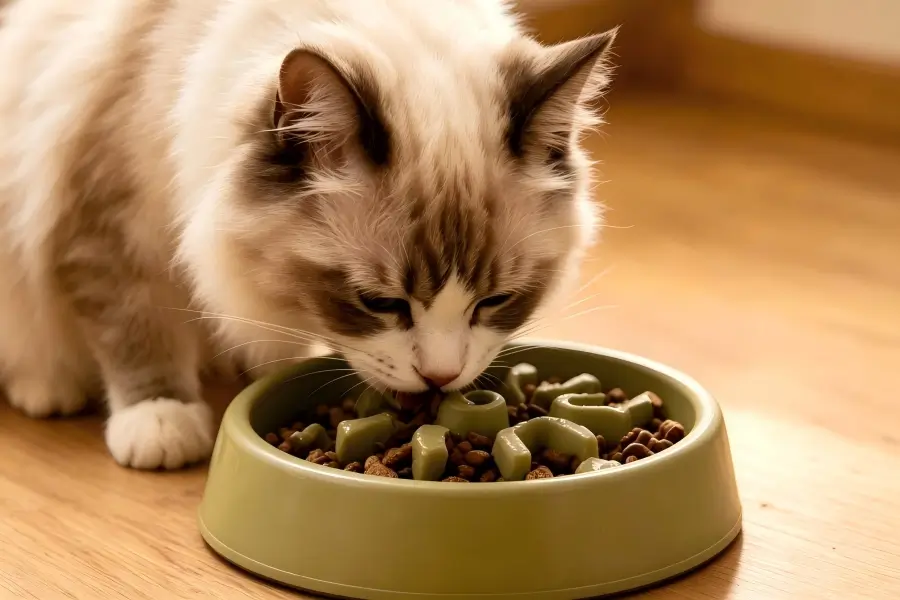
Slow feeder bowls use ridges, patterns, and obstacles that encourage dogs to take smaller bites and eat at a healthier pace. For many dogs, exploring our slow feeder bowls is the easiest and most effective solution.
Try Puzzle Feeders
Puzzle feeders turn mealtime into an enrichment activity, encouraging dogs to work for their food while slowing consumption with interactive dog puzzle toys.
Make Mealtime Safe & Fun with Slow Feeders
Prevent choking, reduce bloating, and extend mealtime up to 10x longer! Explore PawPawJoy’s durable, non-toxic slow feeder bowls and puzzle feeders.
Use a Snuffle Mat
Snuffle mats encourage natural foraging behavior and help transform meals into a mentally stimulating experience.
Offer Smaller Meals
Dividing daily food into multiple smaller meals can reduce excitement and help some dogs eat more calmly.
Create a Calm Feeding Environment
If multiple pets share the home, feeding them separately may reduce competition and encourage slower eating.
Regular Bowl vs Slow Feeder vs Puzzle Feeder
| Option | Slows Eating | Mental Enrichment | Ease of Use |
|---|---|---|---|
| Regular Bowl | Low | Low | High |
| Slow Feeder Bowl | High | Moderate | High |
| Puzzle Feeder | Very High | Very High | Moderate |
Which Slow-Feeding Solution Is Right for Your Dog?
Different dogs benefit from different feeding tools. Choosing the right option depends on your dog’s eating habits and enrichment needs.
| Your Dog | Best Option | Why It Helps |
|---|---|---|
| Finishes meals in seconds | Slow Feeder Bowl | Creates obstacles that naturally slow eating. |
| Loves licking treats or wet food | Lick Mat | Encourages calm, repetitive licking. |
| Gets bored easily | Puzzle Feeder | Adds mental stimulation during meals. |
| Enjoys sniffing games | Snuffle Mat | Supports natural foraging behavior. |
| Needs both enrichment and slower eating | Combination of Tools | Provides variety and engagement. |
Soothe Mealtime Anxiety & Stress
Licking releases calming endorphins in your dog’s brain. Try PawPawJoy’s textured lick mats for wet food, peanut butter, or yogurt spreads.
When Should You Talk to Your Veterinarian?
Contact your veterinarian if your dog:
- Frequently vomits after meals
- Shows signs of choking
- Experiences repeated bloating
- Suddenly changes eating behavior
- Loses weight despite eating normally
Sometimes rapid eating can be linked to underlying medical or behavioral issues that require professional evaluation.
Related Guides
- Best Slow Feeders for Dogs: How to Choose the Right Bowl
- Indoor Pet Enrichment Guide: Easy Ways to Keep Pets Happy
- 15 Proven Dog Anxiety Solutions to Keep Your Dog Calm
Frequently Asked Questions
Can fast eating cause bloat in dogs?
Fast eating may increase the risk of digestive issues and is considered one possible contributing factor to bloat in some dogs.
Do slow feeder bowls really work?
For many dogs, slow feeder bowls can significantly increase mealtime duration and reduce gulping.
Are slow feeders safe for puppies?
Most slow feeders designed specifically for dogs are safe for puppies when used appropriately.
How long should a dog take to finish a meal?
Most dogs benefit from meals that take several minutes rather than only a few seconds.
Can I use a puzzle feeder every day?
Yes. Many dogs enjoy puzzle feeders as part of their daily enrichment routine.
Why does my dog eat fast even when no other pets are around?
Fast eating is often linked to natural instincts, food motivation, or learned habits rather than actual competition.
Final Thoughts
Many dogs eat too fast simply because they’re excited, highly food-motivated, or following instincts that helped their ancestors survive. The good news is that simple changes can make mealtime safer, healthier, and far more enjoyable.
Whether you choose a slow feeder bowl, a puzzle feeder, a snuffle mat, or another enrichment tool, the goal is the same: helping your dog enjoy food at a healthier pace.
Mealtime shouldn’t feel like a race. Explore PawPawJoy’s Play & Enrichment Collection to discover durable slow feeders and puzzle toys that turn fast eating into a fun, safe, and calming daily activity!