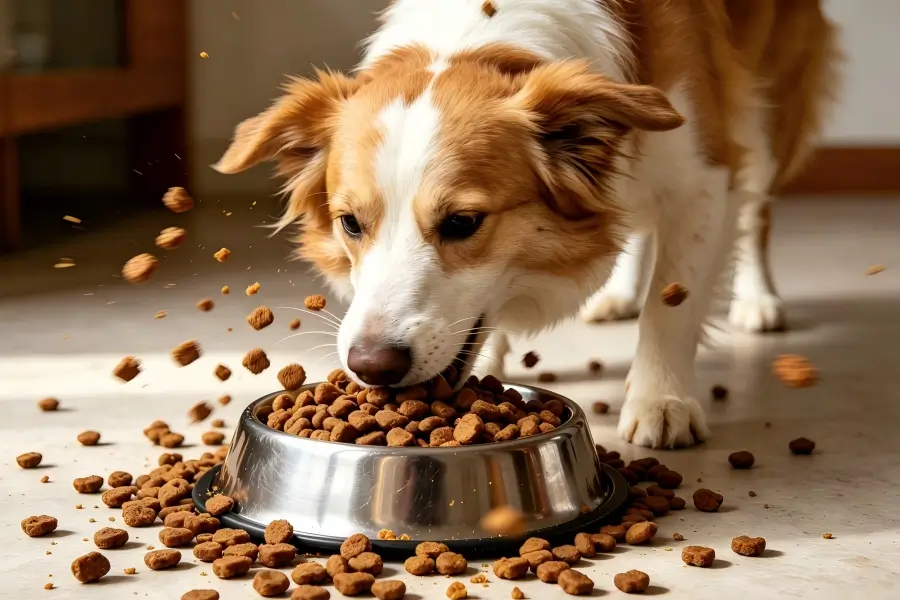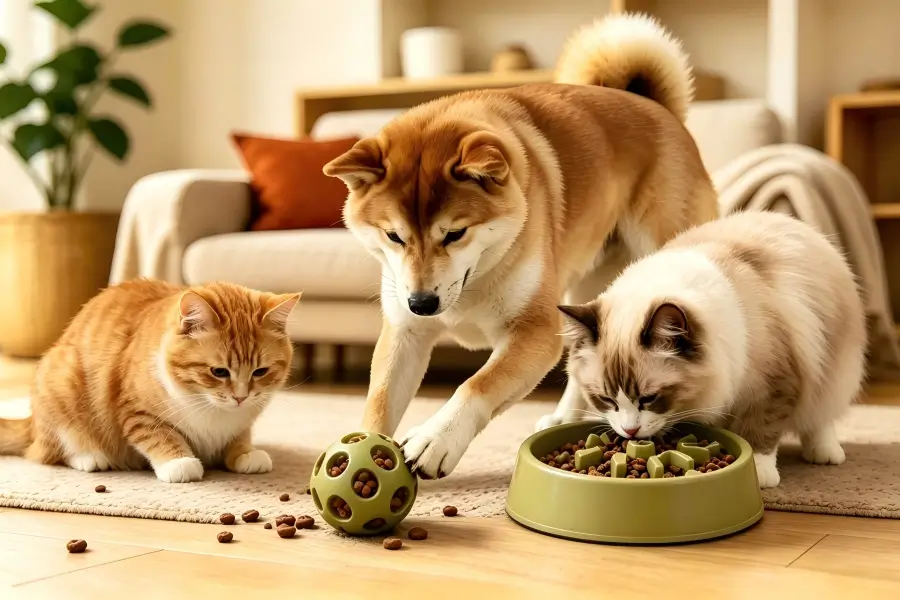
Does your dog inhale their dinner in under thirty seconds? Fast eating is a surprisingly common problem among dogs of all breeds. While a hearty appetite is usually a good sign, gulping down food too quickly can lead to digestive discomfort, painful gas, vomiting, and even life-threatening conditions like bloat.
Slow feeder bowls and puzzle feeders are designed to transform mealtime from a fifteen-second frantic dash into a rewarding, mentally stimulating ten-minute activity. In this guide, we will break down why dogs eat so fast, the health benefits of slowing them down, and how to choose the perfect slow feeder for your furry friend.
Why Do Dogs Need Slow Feeders?
Fast eating stems from a dog’s evolutionary instincts. In the wild, wild canines had to consume their prey rapidly before competitors or pack members could steal it. Even though domesticated dogs enjoy safe, guaranteed daily meals, this primitive urge to “gulp first and ask questions later” remains hardwired in many pets.
When dogs eat too quickly, they swallow large amounts of air alongside their kibble. This air intake causes bloating, excessive gas, and burping, and prevents proper chewing, which puts unnecessary strain on their digestive system.
Signs Your Dog May Need a Slow Feeder
If you notice any of the following habits during or after mealtime, your dog would likely benefit from switching to an interactive feeding tool:
- Finishing an entire bowl of food in less than two minutes
- Gulping food whole without chewing the kibble
- Coughing, choking, or gagging while eating
- Vomiting unchewed food immediately after meals
- Experiencing frequent gas, burping, or bloated bellies post-meal
- Showing intense food anxiety or guarding behavior around their bowl
Stop Fast Eating & Protect Your Dog’s Digestion
Transform frantic mealtime into fun, healthy mental stimulation. Explore PawPawJoy’s top-rated slow feeder bowls and puzzle feeders designed to slow down fast eaters.
Quick Checklist: Is Your Dog a Candidate for a Slow Feeder?
Check all statements that apply to your dog’s current feeding routine:
- My dog finishes eating before other pets in the house even start.
- I regularly hear loud gulping or swallowing sounds during meals.
- My dog rarely chews their dry kibble.
- My dog burps or passes uncomfortable gas after eating.
- My dog acts overly anxious or hyperactive right before mealtime.
If you checked two or more items, introducing a slow feeder can dramatically improve your dog’s digestive health and daily meal satisfaction.
Benefits of Slow Feeder Bowls
Slower Eating
By placing obstacles, mazes, or ridges inside the bowl, slow feeder bowls force dogs to take smaller bites and navigate around barriers, extending mealtime by 5 to 10 times.
Better Digestion
Slowing down the intake allows saliva to mix properly with food, triggering natural digestive enzymes and preventing upset stomachs.
Reduced Gulping
Minimizing the amount of air swallowed during eating reduces post-meal gas, regurgitation, and abdominal discomfort.
Mental Stimulation
Working through a maze or puzzle engages your dog’s brain, turning boring daily feeding into a rewarding problem-solving activity.
Longer Mealtime Engagement
Extending mealtime gives dogs a psychological sense of fullness and satisfaction, helping prevent food-seeking behavior shortly after eating.
Types of Slow Feeders
Traditional Maze Bowls
Featuring built-in plastic or silicone ridges and deep grooves, these bowls require dogs to use their tongue and snout to maneuver kibble out of channels. They are ideal for daily dry food meals.
Puzzle Feeders
Interactive puzzle feeders involve sliding compartments, lifting cups, or spinning wheels that dogs must solve to reveal their treats or food. Excellent for high-energy and intelligent breeds.
Snuffle Mats
Made of soft fabric strips woven together, snuffle mats simulate natural foraging. Hiding dry kibble inside the felt layers encourages dogs to use their sense of smell to hunt for food.
Lick Mats
Textured lick mats are designed for wet food, peanut butter, yogurt, or pumpkin puree. Licking releases endorphins in a dog’s brain, promoting a soothing, calming effect during stressful moments.
How to Choose the Best Slow Feeder for Your Dog
Consider Your Dog’s Size
Brachycephalic (short-snouted) breeds like Bulldogs and Pugs need shallow, wide maze designs so they don’t hurt their faces. Deep-snouted breeds like Retrievers handle intricate, deep grooves easily.
Consider Eating Speed
Extremely fast eaters need complex maze patterns to slow them down effectively, whereas moderate eaters do best with simple spiral designs.
Consider Food Type
Dry kibble works best in maze bowls, snuffle mats, and puzzle games. Raw or canned wet food pairs best with easy-to-clean silicone lick mats or non-porous slow bowls.
Consider Cleaning and Durability
Choose food-grade, BPA-free, non-toxic materials that are dishwasher safe and feature non-slip rubber bases to prevent sliding across the floor.
Start With Simple Designs
If your dog gets easily frustrated, start with an easy, low-difficulty slow feeder before advancing to complex multi-step puzzle toys.
Best Slow Feeder Type by Dog Personality
| Dog Personality | Recommended Feeder |
|---|---|
| High-Energy & Smart | Interactive Multi-Step Puzzle Feeders |
| Fast & Aggressive Eater | Deep Rubber or Plastic Maze Bowls |
| Anxious or Nervous | Textured Calming Lick Mats |
| Scent-Driven / Forager | Soft Fabric Snuffle Mats |
| Short-Muzzled (Pugs/Bulldogs) | Shallow-Ridge Non-Slip Slow Bowls |
Which Slow Feeder Is Best for Your Dog?
| Dog Type | Best Option |
|---|---|
| Puppies | Soft silicone slow feeders or lick mats (gentle on baby teeth) |
| Large Breeds | Heavy-duty, wide-base maze bowls with rubber anti-skid bottoms |
| Small / Toy Breeds | Compact, shallow-groove slow feeder plates |
| Senior Dogs | Lick mats and soft snuffle mats for easy physical access |
Upgrade Your Pup’s Mealtime Routine
From brain-boosting food puzzles to soothing textured lick mats, explore PawPawJoy’s collection of non-toxic, easy-to-clean feeding gear.
Real-Life Scenario: Finding the Right Feeding Solution
Consider Max, an enthusiastic two-year-old Labrador Retriever who used to inhale his dinner in under twenty seconds, frequently gulping air and throwing up his kibble minutes later.
His owner swapped his standard stainless steel bowl for a durable, non-slip maze slow feeder bowl and introduced a frozen lick mat with Greek yogurt in the evenings.
The result? Max’s mealtime extended from 20 seconds to over 8 minutes. His post-meal vomiting stopped immediately, his digestion normalized, and the licking routine helped calm him down before bedtime.
Can Slow Feeders Help Reduce Bloat Risk?
Gastric Dilation-Volvulus (GDV), commonly known as bloat, is a severe, life-threatening emergency where a dog’s stomach fills with gas and twists. Fast eating and swallowing large quantities of air during meals are recognized risk factors for bloat, particularly in deep-chested breeds like Great Danes, German Shepherds, and Standard Poodles.
While slow feeders are not a guaranteed medical cure or sole preventative measure for GDV, they effectively eliminate rapid gulping and excessive air swallowing, making them a strongly recommended daily preventative tool by veterinarians worldwide.
Common Slow Feeder Mistakes
- Choosing a pattern that is too difficult: This leads to intense frustration, causing some dogs to flip the bowl or chew aggressively on the plastic edges.
- Ignoring snout shape: Forcing flat-faced breeds to use deep, narrow maze bowls can irritate their nose and mouth.
- Forgetting to wash after every meal: Food residue and saliva build up quickly in deep maze crevices, creating bacteria if not washed regularly.
- Leaving plastic feeders unsupervised: Heavy chewers may bite off and swallow plastic pieces if the bowl is left out after mealtime.
Slow Feeder vs Puzzle Feeder
| Feature | Slow Feeder Bowl | Puzzle Feeder Toy |
|---|---|---|
| Primary Purpose | Slow down eating & prevent gulping | Mental stimulation & problem solving |
| Meal Capacity | Holds full daily kibble portions | Best for small meals or treats |
| Difficulty Level | Low to Moderate | Moderate to High |
| Supervision Required | Minimal | Recommended |
Slow Feeder vs Regular Bowl
| Feature | Standard Dog Bowl | Slow Feeder Bowl |
|---|---|---|
| Average Meal Duration | 30 seconds – 1 minute | 5 – 12 minutes |
| Air Swallowing / Gas Risk | High | Very Low |
| Mental Stimulation | None | High |
| Supports Healthy Digestion | Poor | Excellent |
Frequently Asked Questions
Do slow feeders really work?
Yes. Studies and veterinary observations consistently show that slow feeder bowls increase mealtime duration by up to 500% to 1000%, significantly reducing swallowed air and digestive strain.
Are slow feeders safe for puppies?
Absolutely. Slow feeders are great for puppies because they establish healthy, slow eating habits early in life. Soft silicone options are particularly gentle on developing gums and puppy teeth.
Can slow feeders prevent bloat?
Slow feeders help reduce key risk factors associated with bloat—specifically fast eating and air gulping. However, because GDV has multiple causes (including genetics and exercise right after meals), slow feeders should be part of a broader preventive routine.
How long should a dog take to finish a meal?
Ideally, a dog should take between 5 to 15 minutes to comfortably complete their meal.
Can I use a slow feeder every day?
Yes, slow feeders are completely safe for daily use during breakfast and dinner.
Find the Right Slow Feeder for Your Dog
Slowing down your dog’s eating speed is one of the simplest, most effective steps you can take to protect their long-term digestive health and boost their daily happiness. Whether you choose a classic maze bowl for daily kibble, a snuffle mat for foraging, or a calming lick mat for quiet evenings, your dog will enjoy a much richer, healthier mealtime routine.
Explore PawPawJoy’s full range of veterinarian-inspired slow feeder bowls and interactive puzzle toys today to give your pup the healthy mealtime experience they deserve.