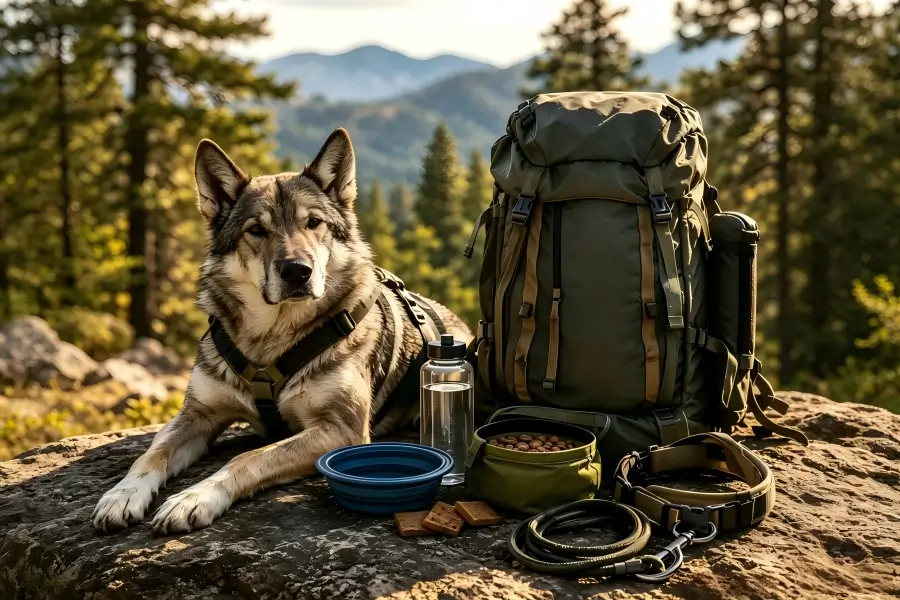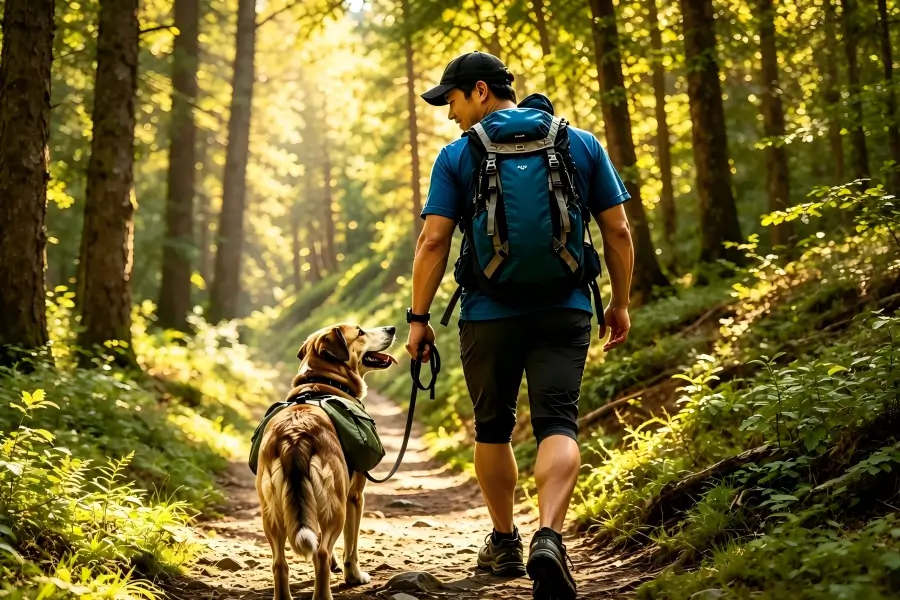
A dog backpack can make hiking and outdoor adventures more convenient by allowing your dog to carry lightweight essentials while staying comfortable on the trail. However, choosing the wrong backpack can cause uneven weight distribution, overheating, or skin chafing.
Finding the right dog backpack comes down to selecting proper sizing, durable materials, and ergonomic support tailored to your dog’s size and activity level. Here is a practical guide to help you choose the safest and most comfortable backpack for your dog.
Determine the Right Capacity and Weight Limit
Before buying a pack, it is essential to understand how much weight your dog can comfortably carry. Many owners use around 10% of a dog’s body weight as a general upper guideline, but the right load depends on breed, fitness level, age, and overall health. Start with less weight and increase gradually while monitoring your dog’s comfort:
- Light Duty (Under 10% Body Weight): Best for day hikes and urban walks. Holds essential items such as waste bags, a small water bottle, and a compact collapsible bowl.
- Active Trail Use: Ideal for full-day excursions or longer trails for healthy, active dogs. Suitable for carrying extra water, meal portions, and a small first-aid kit.
- Weight Consideration for Special Cases: Puppies, senior dogs, and breeds with spinal or joint sensitivities should not carry heavy loads. Always start with an empty pack so your dog can adjust before adding any weight.
Example: A 50-pound active dog joining a weekend trail hike may only need to carry lightweight items such as waste bags, a collapsible bowl, and a small portion of food. The goal is to let your dog participate in the adventure, not turn the backpack into extra strain.
Consider Your Dog’s Body Type and Activity Level
Not every dog is built for the same backpack style. Consider your dog’s size, body structure, and activity level before choosing a pack:
- Small Dogs: Choose lightweight designs with minimal bulk and soft straps. Keep the load very limited, as smaller dogs have less carrying capacity and may fatigue more quickly on longer adventures.
- Large Active Dogs: Look for reinforced stitching, balanced saddlebag compartments, and durable materials suited for longer adventures.
- Short-Nosed Breeds: Prioritize lightweight packs with excellent airflow, as some flat-faced breeds may be more sensitive to heat and breathing challenges.
Is Your Dog Ready to Wear a Backpack?
Not every dog enjoys carrying gear. Before adding weight, consider your dog’s age, fitness level, and comfort with wearing equipment:
- Good Candidates: Adult dogs that enjoy walking, hiking, and wearing a harness or outdoor gear.
- Start Slowly: Dogs that are new to backpacks should begin with an empty pack indoors before using it outdoors.
- Use Extra Caution: Puppies, senior dogs, overweight dogs, and breeds with breathing or joint concerns may need lighter loads or alternative options.
Quick Selection Guide by Trip Type
To narrow down the features you need, compare your planned activities with the recommended pack styles below:
| Activity Type | Pack Style | Key Features to Prioritize |
|---|---|---|
| Park strolls & short trails | Lightweight Day Pack | Breathable mesh, low-profile pockets, quick-release buckles |
| Full-day hiking | Saddlebag-Style Dog Backpack | Balanced dual pockets, padded belly straps, leash attachment point |
| Overnight camping | Expanded Capacity Pack | Water-resistant fabric, top assist handle, reflective trim |
| Hot weather travel | Air-Mesh Pack | High-airflow lining, light-colored material, minimal bulk |
Key Features to Check Before Buying
A high-quality dog backpack should provide both utility for you and comfort for your pet. Look for these essential design details:
- Ergonomic Padding & Girth Straps: Wide, padded straps around the chest and belly prevent friction and protect your dog’s skin from chafing during long walks.
- Top Control Handle: A sturdy top handle allows you to assist your dog over obstacles, steer them away from hazards, or hold them securely when passing other trail users.
- Breathable & Water-Resistant Fabric: Ripstop nylon or high-density polyester resists trail brush, while an inner mesh lining keeps air flowing to prevent overheating.
- Reflective Safety Accents: Bright fabric colors and reflective piping ensure high visibility during early morning hikes or dusk travel.
Ready for Your Next Outdoor Adventure?
Discover PawPawJoy’s collection of practical dog outdoor gear designed to make hiking, travel, and everyday adventures more comfortable for you and your pup.
How to Measure Your Dog for a Proper Fit
An ill-fitting backpack can cause discomfort or restrict your dog’s natural movement. Take accurate measurements before making a choice:
- Chest Girth: Measure around the widest part of your dog’s ribcage, typically a few inches behind the front legs. This is the most critical measurement for proper sizing.
- Neck Circumference: Measure around the base of the neck where the chest piece rests.
- Back Length: Measure from the base of the neck to the base of the tail to ensure the side pockets do not extend too far down the lower back.
Safety Guidelines for Hiking with a Dog Backpack
Keep these practical rules in mind to ensure a positive hiking experience:
- Balance the Weight Evenly: Always pack equal weight in both side pockets. An unbalanced pack causes shifting and puts uneven strain on your dog’s body.
- Introduce the Pack Gradually: Let your dog wear the empty backpack around the house or on short neighborhood walks before introducing added weight.
- Monitor Body Temperature: Pay extra attention during warm weather. Check under the pack periodically to ensure your dog is not overheating or showing signs of skin redness.
Related Guides in Our Outdoor Series
- Best Dog Travel Gear for Safe and Comfortable Adventures
- Dog Hiking Checklist: What to Pack Before Hitting the Trail
- How to Prepare Your Dog for Outdoor Adventures
Frequently Asked Questions
What size backpack should I get for my dog?
The right size depends on your dog’s chest girth, back length, and overall body shape. A properly fitted backpack should sit securely without restricting shoulder movement or breathing. Always check the manufacturer’s sizing chart before purchasing.
Can all dog breeds wear a backpack?
Most medium-to-large active breeds thrive with a backpack. However, toy breeds, brachycephalic (flat-faced) dogs, or dogs with pre-existing joint issues should consult a vet before carrying extra weight.
How do I stop the backpack from slipping sideways?
Sideways slipping is usually caused by uneven weight distribution in the side pockets or loose girth straps. Rebalance the items inside and adjust the torso straps so the pack sits snugly without constricting breathing.
Should my dog wear a backpack in hot weather?
In high heat, extra gear can trap body warmth. Choose a backpack with a lightweight mesh structure, keep the load minimal, and restrict hiking to cooler early morning or evening hours.
Final Thoughts
Equipping your dog with the right backpack turns routine outdoor trips into engaging, shared adventures. By focusing on proper chest fit, balanced packing, and lightweight breathable materials, you can keep your dog comfortable and confident on every trail.
Explore PawPawJoy’s Outdoor & Travel Gear collection to find practical dog accessories for hiking, travel, and everyday adventures.