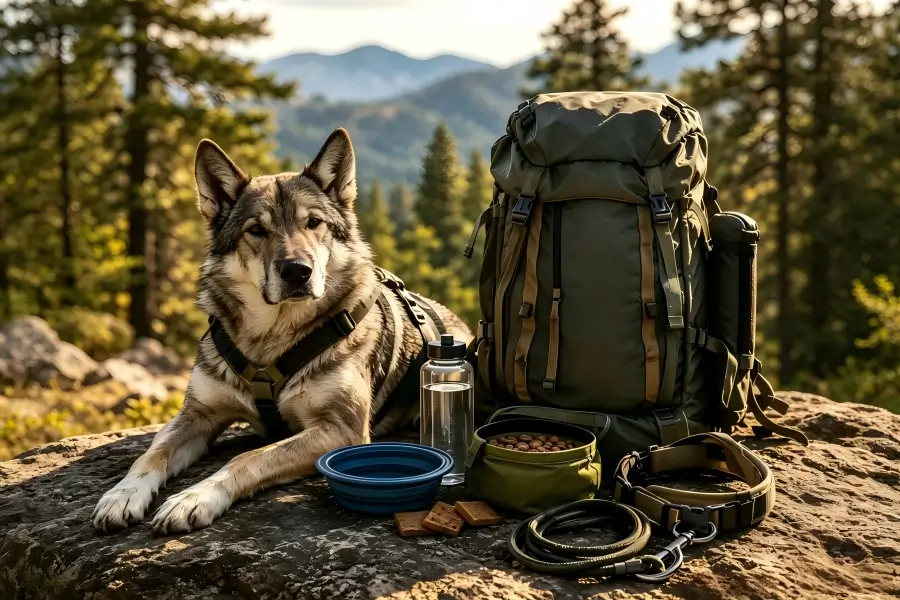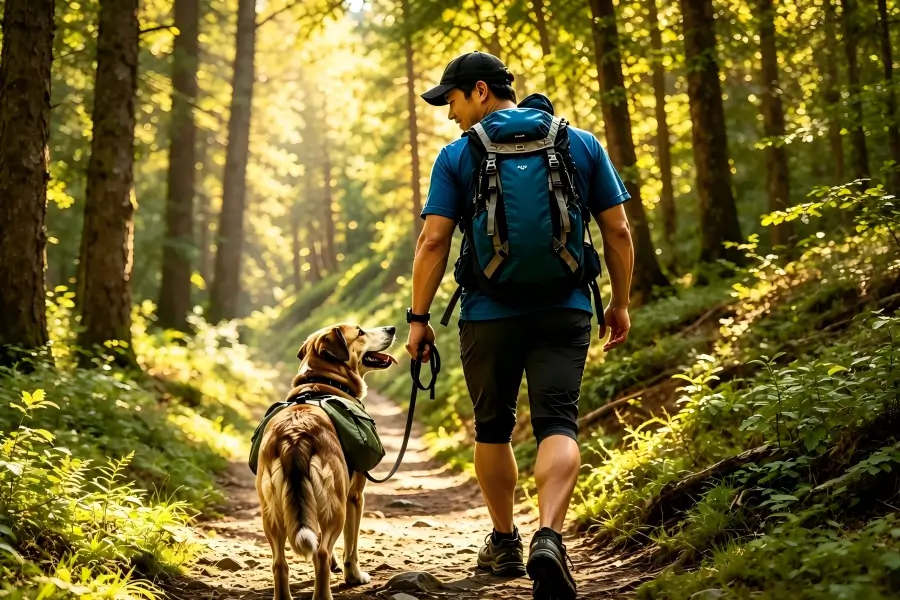
Outdoor adventures can become some of the most rewarding experiences you share with your dog. Whether you enjoy nature walks, hiking trails, camping weekends, beach outings, or road trips, spending time outdoors provides opportunities for exercise, mental stimulation, and stronger bonds.
However, not every dog is immediately ready for outdoor adventures. Some dogs need additional physical conditioning, while others need confidence-building experiences before they can comfortably handle new environments.
If you’re wondering whether your dog is ready for hiking, camping, or other outdoor activities, this guide will help you evaluate your dog’s readiness, choose the right adventures, and build the skills needed for a safe and enjoyable outdoor lifestyle.
Is Your Dog Ready for Outdoor Adventures?
Before planning your first major outing, assess your dog’s current fitness, behavior, and confidence level.
| Question | Yes | No |
|---|---|---|
| Can your dog comfortably walk for 30–60 minutes? | ☐ | ☐ |
| Does your dog respond reliably to recall commands? | ☐ | ☐ |
| Is your dog comfortable around new environments? | ☐ | ☐ |
| Is your dog physically healthy? | ☐ | ☐ |
| Can your dog remain calm around other people and dogs? | ☐ | ☐ |
If you answered “No” to multiple questions, focus on training, fitness, and confidence-building before moving to more challenging adventures.
Why Preparing Your Dog Matters
Outdoor environments present challenges that most dogs do not encounter during normal daily walks. Uneven terrain, changing weather, wildlife, unfamiliar people, and longer periods of physical activity can all test a dog’s readiness.
Preparation reduces the risk of injury, exhaustion, stress, and behavioral problems while helping your dog enjoy new experiences with confidence.
Which Outdoor Adventure Is Best for Your Dog?
Different dogs enjoy different activities. Choosing an adventure that matches your dog’s personality and experience level helps create positive outdoor experiences.
| If Your Dog… | Best Adventure to Start With |
|---|---|
| Is new to outdoor activities | Nature walks |
| Enjoys exploring and sniffing | Hiking |
| Loves water | Beach trips |
| Adapts well to new places | Camping |
| Travels comfortably in the car | Road trips |
Preparation Requirements by Adventure Type
Each type of outdoor adventure requires a slightly different combination of fitness, training, and equipment.
| Adventure Type | Fitness Needed | Training Needed | Gear Priority |
|---|---|---|---|
| Nature Walks | Low | Basic leash skills | Harness, leash, water |
| Hiking | Moderate | Recall and trail manners | Harness, water, first aid kit |
| Camping | Moderate | Settling calmly outdoors | Bed, tie-out, lighting |
| Beach Trips | Moderate | Recall around distractions | Water, shade, eye protection |
| Road Trips | Low | Vehicle comfort | Car seat protection, bowl |
How to Build an Adventure Dog Step by Step
One of the most common mistakes owners make is attempting difficult adventures too soon. Building an adventure dog is a gradual process.
| Stage | Goal |
|---|---|
| Stage 1 | Long neighborhood walks |
| Stage 2 | Nature trails and local parks |
| Stage 3 | Half-day hikes |
| Stage 4 | Camping trips and longer outings |
| Stage 5 | Multi-day outdoor adventures |
Progressing gradually allows dogs to develop endurance, confidence, and good outdoor habits.
Build Physical Fitness Before Bigger Adventures
Physical fitness is one of the foundations of dog hiking preparation and outdoor adventure success.
Start by increasing activity levels slowly rather than jumping directly into demanding hikes or full-day outings.
- Extend daily walks gradually
- Introduce hills and varied terrain
- Visit local trails regularly
- Allow recovery days after strenuous exercise
- Monitor your dog’s energy and comfort level
Signs Your Dog Is Ready for Bigger Adventures
- Comfortably completes long daily walks
- Recovers quickly after exercise
- Maintains energy throughout outings
- Shows confidence in new environments
- Walks comfortably on different surfaces
- Responds reliably to basic commands outdoors
If your dog struggles with several of these areas, continue building experience gradually before moving to more challenging adventures.
Prepare Your Dog Mentally for New Experiences
Physical fitness is only part of adventure readiness. Many dogs need time to become comfortable with unfamiliar environments before they can truly enjoy outdoor activities.
- Visit new parks regularly
- Introduce different walking surfaces
- Practice around bicycles and joggers
- Expose your dog to new sounds gradually
- Reward calm behavior in unfamiliar settings
Confidence-building experiences can help reduce anxiety while making future adventures more enjoyable.
Adventure Dog Training Essentials
Reliable Recall
Reliable recall is one of the most important safety skills for outdoor adventures with dogs. A strong recall can help prevent dangerous situations involving wildlife, distractions, or unfamiliar surroundings.
Loose-Leash Walking
Good leash manners improve safety and make hiking trails, campgrounds, and public outdoor spaces more enjoyable.
Stay and Wait Commands
These commands are useful when crossing roads, encountering wildlife, or navigating crowded areas.
Confidence Around New Situations
Adventure dog training should include exposure to new people, sounds, surfaces, and environments.
Essential Gear for Outdoor Adventures
| Gear | Why It Matters |
|---|---|
| Harness & Backpack | Provides comfort, control, and storage for small dogs |
| Leash | Supports safety in unfamiliar environments |
| Portable Water Bottle | Helps prevent dehydration on trails |
| GPS Tracker & ID | Provides peace of mind if a dog strays off-leash |
| Travel Bed / Seat Cover | Creates a clean, comfortable space during transit |
Gear Up for Safe Outdoor Trails
Heading out for a hike or nature walk? Keep your pup hydrated with leak-proof portable water bottles, secure leashes, and comfortable travel carriers.
Common Outdoor Risks and How to Prepare for Them
| Risk | How to Prepare |
|---|---|
| Heat & Dehydration | Bring fresh water in a portable bottle and avoid midday heat |
| Cold & Sun Exposure | Protect sensitive eyes with dog goggles and provide insulation |
| Wildlife & Wandering | Use reliable leashes, tie-out stakes for camping, and recall control |
| Rough Terrain | Condition paws gradually and protect against harsh rocks and debris |
| Getting Lost | Keep identification updated and track location with a Pet GPS Tracker |
Stress-Free Road Trips & Campsite Rest
Protect your car seats from mud, water, and dog hair, and keep your dog securely tethered around the campsite with durable tie-out stakes.
Scenario: Preparing a City Dog for Its First Hiking Adventure
Imagine a dog that spends most of its time walking on sidewalks and visiting neighborhood parks. The owner wants to try hiking but understands that jumping directly into a difficult trail could be overwhelming.
Instead, they begin by extending daily walks, introducing nature trails on weekends, practicing recall in low-distraction environments, and carrying water during every outing.
After several weeks, the dog confidently completes its first hiking adventure. This gradual approach helps build both physical fitness and confidence while creating positive outdoor experiences.
What Stage Is Your Dog Currently In?
| Stage | Description | Recommended Next Step |
|---|---|---|
| Beginner | Mostly neighborhood walks | Visit local parks and nature trails |
| Explorer | Comfortable in new outdoor environments | Try short hiking trails |
| Adventure Ready | Good fitness and reliable training | Plan longer hikes and day trips |
| Experienced Adventure Dog | Comfortable with camping and travel | Explore multi-day adventures |
Outdoor Adventure Readiness Checklist
| Checklist Item | Ready? |
|---|---|
| Health assessment completed | ☐ |
| Comfortable with long walks | ☐ |
| Reliable recall training | ☐ |
| Properly fitted harness | ☐ |
| ID tags & GPS tracker updated | ☐ |
| Water packed | ☐ |
| Weather checked | ☐ |
| Paws inspected | ☐ |
Frequently Asked Questions
How do I know if my dog is ready for hiking?
Dogs should be physically healthy, able to complete long walks comfortably, and respond reliably to basic commands before attempting longer hikes.
What is the best outdoor adventure for beginner dogs?
Nature walks and easy trails are often ideal starting points because they introduce new environments without overwhelming dogs.
How can I train a dog for hiking?
Focus on recall, leash manners, confidence-building, and gradually increasing physical endurance through regular outdoor activities.
What gear is most important for outdoor adventures?
A properly fitted harness, leash, water supply, identification tags, and portable bowl are among the most important essentials.
Start Building Your Dog’s Outdoor Adventure Skills Today
Every great adventure starts with preparation. By building fitness gradually, practicing essential training skills, and choosing activities that match your dog’s abilities, you can help your dog explore the outdoors safely and confidently.
Whether you’re planning nature walks, hiking trips, camping weekends, beach days, or road travel, the right preparation can make every outing more enjoyable for both of you.
If you’re building an active lifestyle with your dog, consider using tools that support safe exploration, including properly fitted harnesses, portable water bottles, travel bowls, training leads, and enrichment products designed for life on the go.
The goal isn’t to reach the most challenging destination. It’s helping your dog gain confidence, stay comfortable, and enjoy every adventure along the way.