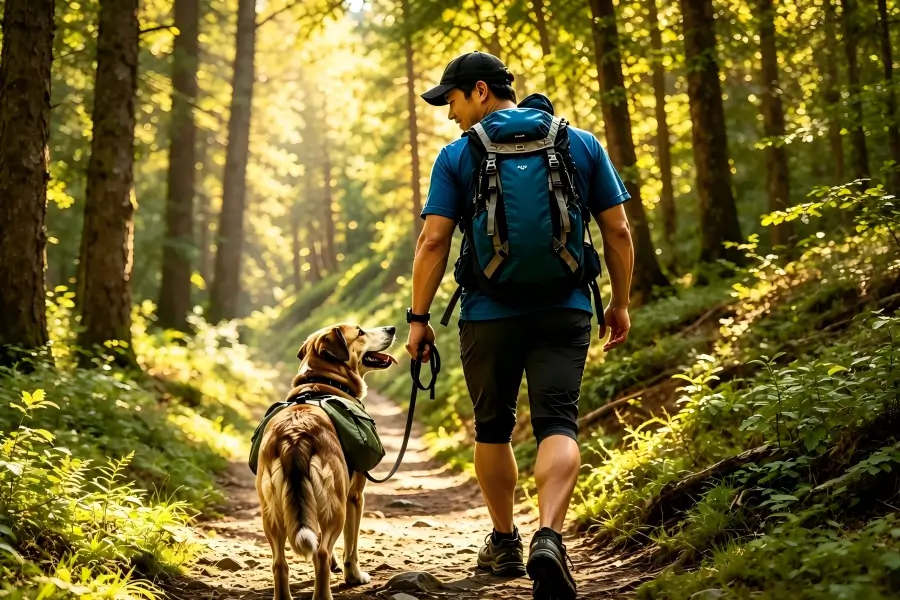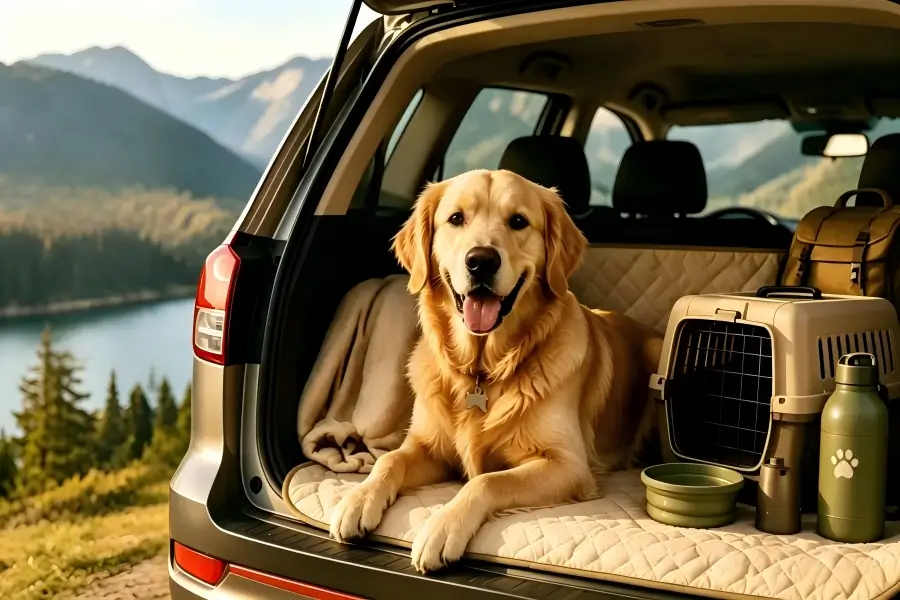
Traveling with your dog can be one of the most rewarding parts of pet ownership. Whether you’re planning a weekend getaway, a family road trip, a camping adventure, or a cross-country move, keeping your dog safe should always be your top priority.
Many travel-related injuries and emergencies are preventable with the right preparation. This guide covers practical steps to help your dog stay safe, comfortable, and happy before, during, and after your journey.
Quick Dog Travel Safety Checklist
If you’re short on time, follow these essential dog travel safety rules:
- Use a crash-tested travel harness or secured crate.
- Keep your dog in the back seat.
- Never leave your dog alone in a parked vehicle.
- Pack water, food, medications, and identification.
- Stop every 2–3 hours during road trips.
- Bring vaccination and medical records.
- Research pet-friendly accommodations in advance.
- Prepare your dog for travel before long trips.
Traveling by Car: The Safest Way for Most Dogs
For most pet owners, car travel is the most common and practical way to travel with a dog. However, a moving vehicle presents safety risks if proper precautions aren’t taken.
Use a Travel Harness or Secured Crate
A loose dog can become a dangerous distraction and may be seriously injured during sudden stops or accidents.
The safest options include:
- Crash-tested dog seat belt harnesses
- Secured travel crates
- Vehicle barriers for larger dogs
Small dogs should never ride on a driver’s lap.
Keep Dogs in the Back Seat
Front-seat airbags can cause severe injuries to dogs during a collision. The back seat is generally the safest location for canine passengers.
Schedule Regular Breaks
Dogs need opportunities to:
- Drink water
- Use the bathroom
- Stretch their legs
- Reduce travel stress
Plan a stop every 2–3 hours during long drives.
Keep Your Dog Safe & Secure On Every Drive
Prevent distracted driving and protect your pup from sudden stops. Check out PawPawJoy’s comfortable, durable harnesses and seatbelt tether attachments.
Travel Safety by Transportation Type
| Travel Type | Main Risk | Best Safety Practice |
|---|---|---|
| Car Travel | Injury During Sudden Stops | Use a Harness or Crate |
| Air Travel | Travel Stress | Carrier Training |
| Train Travel | Crowded Environments | Secure Carrier |
| Hotel Stays | Escape Risk | ID Tags and Leash Use |
Managing Dog Anxiety During Travel
Not every dog enjoys traveling. Some dogs become anxious as soon as they enter a vehicle or carrier.
Signs of Travel Anxiety
- Panting
- Whining
- Pacing
- Excessive drooling
- Restlessness
- Loss of appetite
Ways to Reduce Travel Stress
- Take short practice trips before longer journeys.
- Bring familiar blankets and toys from our Calm & Comfort collection.
- Exercise your dog before departure.
- Use positive reinforcement.
- Speak with your veterinarian if anxiety is severe.
For dogs with significant travel anxiety, preparation should begin several weeks before the trip.
What to Pack for Your Dog
| Item | Purpose |
|---|---|
| Food | Maintain a consistent diet |
| Water | Prevent dehydration |
| Portable Bowls | Easy feeding and hydration |
| Leash | Safe control during stops |
| ID Tags | Help recover lost pets |
| Medical Records | Useful during emergencies |
| Medications | Maintain health routines |
| Favorite Toy or Blanket | Provide comfort and familiarity |
Road Trip Ready: Essential Dog Travel Gear
From collapsible hydration bowls to soothing travel mats, explore PawPawJoy’s lightweight travel essentials designed for hassle-free adventures.
Flying With Your Dog Safely
Air travel requires more preparation than road travel.
Check Airline Requirements
Every airline has its own policies regarding:
- Carrier dimensions
- Breed restrictions
- Health certificates
- Cabin versus cargo travel
Choose the Right Carrier
Your dog should be able to stand, turn around, and lie down comfortably inside the carrier.
Practice Carrier Training
Introduce the carrier several weeks before the flight so your dog can become comfortable with it.
Hotel and Vacation Safety Tips
Once you arrive, your dog’s safety remains important.
Pet-Proof Your Temporary Space
- Check for loose electrical cords.
- Remove hazardous objects.
- Secure doors and gates.
- Identify emergency exits.
Maintain Familiar Routines
Dogs generally adapt better when feeding, walking, and sleeping schedules remain consistent.
5 Common Dog Travel Mistakes to Avoid
Even experienced dog owners sometimes overlook important safety details when traveling. Avoiding these common mistakes can make trips safer and less stressful for both you and your dog.
-
Letting your dog ride unrestrained
A loose dog can become seriously injured during sudden stops or accidents and may distract the driver. -
Leaving your dog in a parked vehicle
Temperatures inside a car can become dangerous within minutes, even on mild days. -
Skipping rest and hydration breaks
Long periods without water, exercise, or bathroom breaks can increase stress and discomfort. -
Traveling without identification
Every dog should wear updated ID tags and ideally have a microchip with current contact information. -
Taking a long trip without preparation
Dogs unfamiliar with travel may become anxious or carsick. Short practice trips can help build confidence before longer journeys.
A few simple precautions before departure can prevent many of the most common travel-related problems.
Road Trip Scenario: A Common Safety Mistake
Imagine a family taking their Labrador on a weekend road trip. The dog is allowed to move freely throughout the vehicle and occasionally climbs between passengers.
When traffic suddenly stops, the driver brakes hard. The dog is thrown forward, causing injuries that could have been prevented with a travel harness or secured crate.
This type of accident happens more often than many pet owners realize.
Using proper restraints significantly improves travel safety for both dogs and people.
Travel Harness vs Travel Crate: Which Is Better?
| Feature | Travel Harness | Travel Crate |
|---|---|---|
| Freedom of Movement | Moderate | Limited |
| Accident Protection | Good | Excellent |
| Anxiety Reduction | Varies | Often Better |
| Ease of Use | Easy | Moderate |
| Best For | Short Trips | Long Trips |
Why Dog Travel Safety Matters
Travel introduces unfamiliar environments, changing routines, and potential hazards. Without preparation, dogs may face risks such as injury, dehydration, overheating, anxiety, or getting lost.
By planning ahead and following basic safety practices, pet owners can significantly reduce these risks and create a more enjoyable experience for everyone involved.
Frequently Asked Questions
How often should I stop during a road trip with my dog?
Most dogs benefit from a break every 2–3 hours for bathroom visits, hydration, and exercise.
Should dogs ride in the front seat?
No. Airbags can seriously injure dogs during a collision. The back seat is usually safer.
Can dogs get carsick?
Yes. Common symptoms include drooling, whining, vomiting, and restlessness.
What is the safest way for a dog to travel in a car?
A secured travel crate or a crash-tested travel harness is generally considered the safest option.
Is flying stressful for dogs?
It can be. Proper preparation, carrier training, and understanding airline requirements can help reduce travel-related stress.
Final Thoughts
Safe travel starts long before you leave home. By using proper restraints, planning ahead, packing essential supplies, and understanding your dog’s needs, you can help ensure every trip is both safe and enjoyable.
The goal isn’t simply reaching your destination—it’s making sure your dog arrives healthy, comfortable, and ready to enjoy the adventure with you.